Gordon Bruce art
  • Home page
  • CONTACT ME
  • Cow paintings
  • Scottish Landscape paintings
  • Latest and upcoming paintings
  • Mary Poppins inspired paintings
  • folk art landscape paintings
  • Blog - Brushstrokes of History: Tales from the Lives of Master Artists
  • The Sound of Music Collection
  • Paintings of Venice
  • LINKS
    • Charles Dickens inspired art and gifts
    • Original paintings of London
    • How to paint like Bob Ross
    • PopUp painting
    • Second star to the right a Peter Pan inspired painting
    • Van Gogh and the Starry Night painting
    • Van Gogh: A Starry Night and Beyond
  • Seasonal paintings
  • Welcome to the Gallery of the Masters - Vermeer
  • Beautiful Seascapes On Canvas
  • Cityscape Paintings in Oil
  • Handcrafted Oil Portraits and Scenic Art

Brushstrokes of History: Tales from the Lives of Master Artists

Explore the rich tapestry of art history through the captivating tales of master artists. 'Brushstrokes of History' delves into the lives, inspirations, and legacies of renowned painters, offering insights into their artistic journey and the profound impact they left on the world of art.

Categories

All
Canaletto
Caravaggio
Edward Hopper
Frida Kahlo
Grandma Moses
John William Waterhouse
Joseph Farquharson
Louise Rayner
Lowry
Michelangelo
Pieter De Hooch
Predecessors Who Shaped Leonardo Da Vinci's Genius
Renoir
Salvador Dali
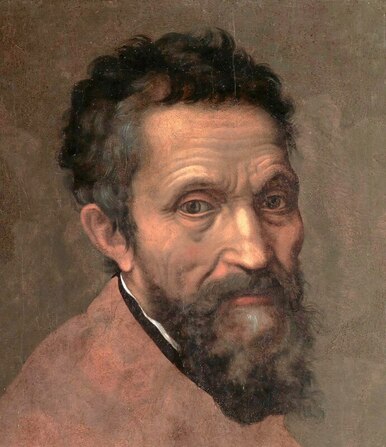
Exploring the Genius of Michelangelo

2/3/2024

0 Comments

 
Picture
Michelangelo Buonarroti, one of the most revered figures in the history of art, left an indelible mark on the world with his masterful creations. From his breathtaking sculptures to his awe-inspiring frescoes, Michelangelo's work continues to captivate audiences centuries after his passing. In this article, we will delve into the life, works, techniques, and legacy of this legendary artist.

Michelangelo Complete works
Introduction to Michelangelo
Michelangelo di Lodovico Buonarroti Simoni, commonly known as Michelangelo, was born on March 6, 1475, in Caprese, Italy. He is celebrated as one of the greatest artists of the Italian Renaissance, a period of profound cultural and artistic flourishing in Europe during the 14th to 17th centuries.
Michelangelo's contributions to art, architecture, and sculpture are monumental, earning him a place among the pantheon of artistic geniuses. His relentless pursuit of perfection, coupled with his unparalleled skill and creativity, have made him an enduring icon of artistic excellence.
Early Life and Background
Michelangelo's early life was marked by artistic inclination and a fervent desire to create. Born into a family of modest means, he displayed prodigious talent from a young age. His father, Ludovico di Leonardo Buonarroti Simoni, recognised his son's potential and encouraged his artistic pursuits.
At the age of 13, Michelangelo became an apprentice to the renowned painter Domenico Ghirlandaio, where he honed his skills in drawing, painting, and sculpture. His apprenticeship provided him with invaluable training and exposure to the artistic trends of the time, laying the foundation for his future greatness.
Major Works and Contributions
Sistine Chapel Ceiling
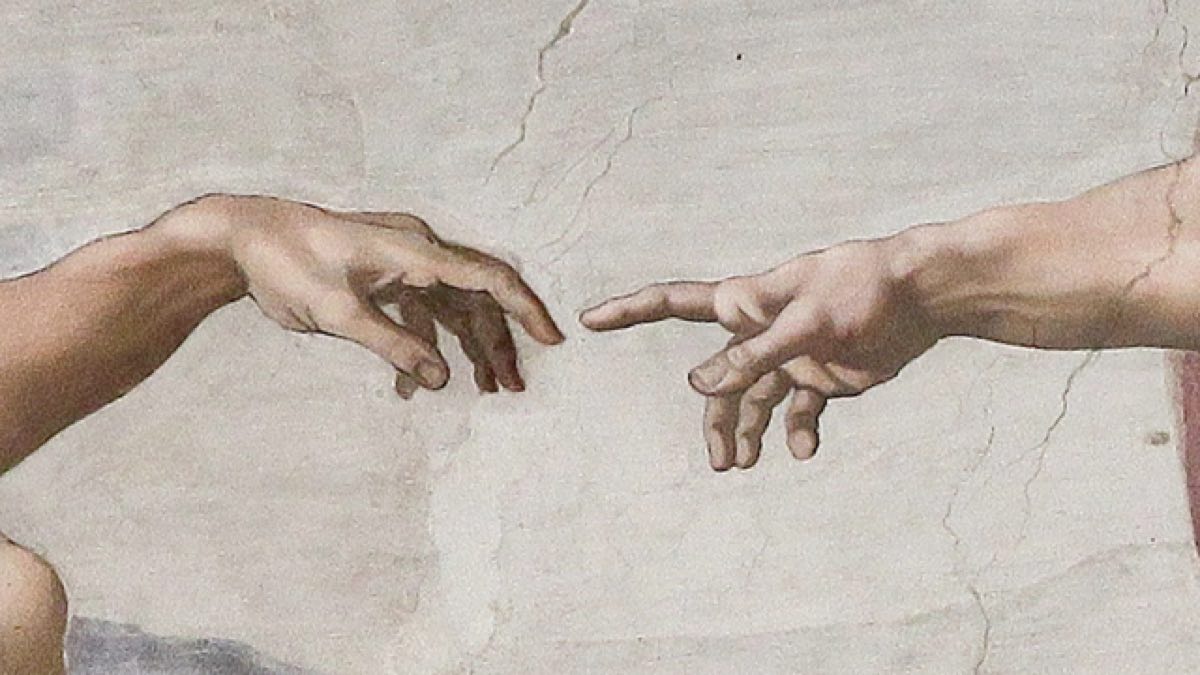
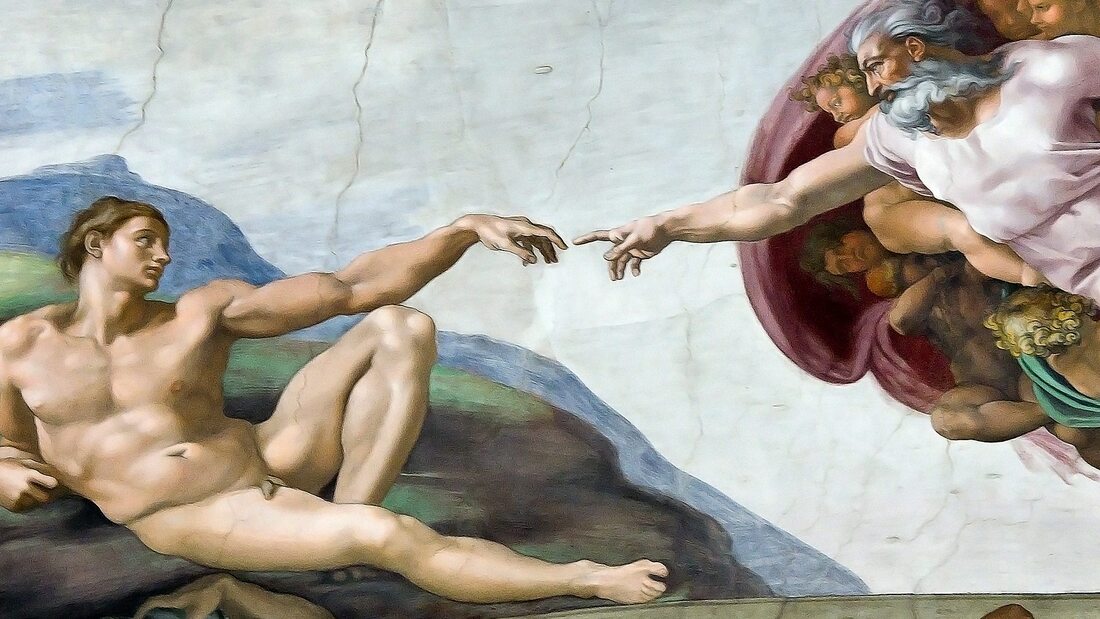
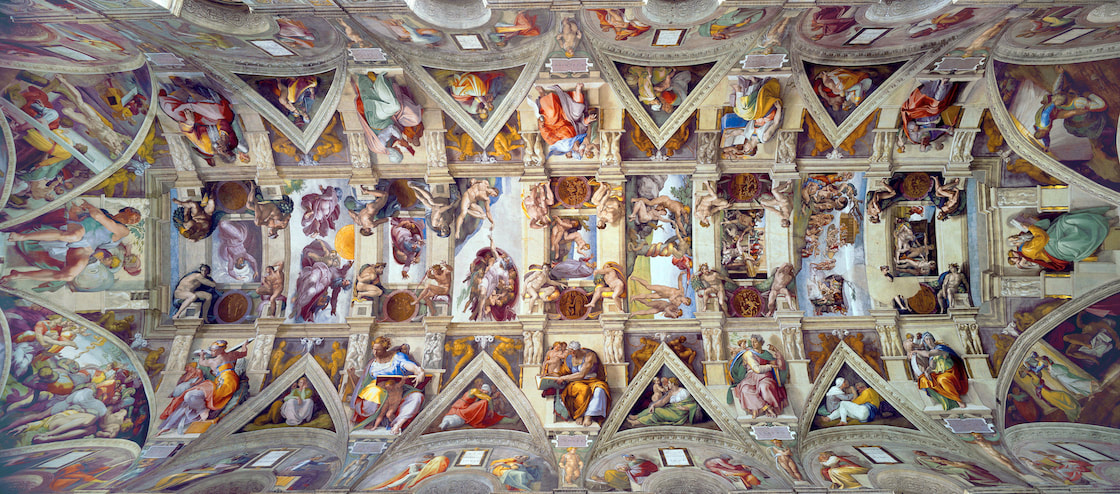
One of Michelangelo's crowning achievements is the magnificent ceiling of the Sistine Chapel in Vatican City. Commissioned by Pope Julius II, Michelangelo spent four years painstakingly painting the elaborate frescoes that adorn the ceiling. The centrepiece of the ceiling is the iconic depiction of the Creation of Adam, which has become one of the most recognisable images in Western art.
Picture
How did Michelangelo paint the Sistine Chapel ceiling?
Michelangelo painted the Sistine Chapel ceiling between 1508 and 1512. The Sistine Chapel is located in Vatican City and is one of the most famous and revered religious sites in the world. Pope Julius II commissioned Michelangelo to paint the ceiling, which at the time was a vast expanse of plain blue with golden stars.
Painting the Sistine Chapel ceiling was an extraordinary feat of artistic skill and endurance. Here are some key points about how Michelangelo approached this monumental task:
  1. Preparation: Before starting the actual painting, Michelangelo prepared the surface of the ceiling by applying a layer of plaster, known as "intonaco." He then created a detailed full-scale drawing of his intended design, which he used as a guide during the painting process.
  2. Scaffolding: To reach the ceiling, Michelangelo constructed a complex scaffolding system that allowed him to work as comfortably as possible. The scaffolding was carefully designed to support his weight and provide stability as he painted overhead. It is a myth that he needed to lie down while painting. This wouldn't have been practical. However he must have needed to lie down due to painting overhead during breaks from painting which he probably did on the scaffold. 
  3. Technique: Michelangelo used a fresco painting technique, which involves applying pigments directly onto wet plaster. This method requires speed and precision, as the artist must work quickly before the plaster dries and sets.
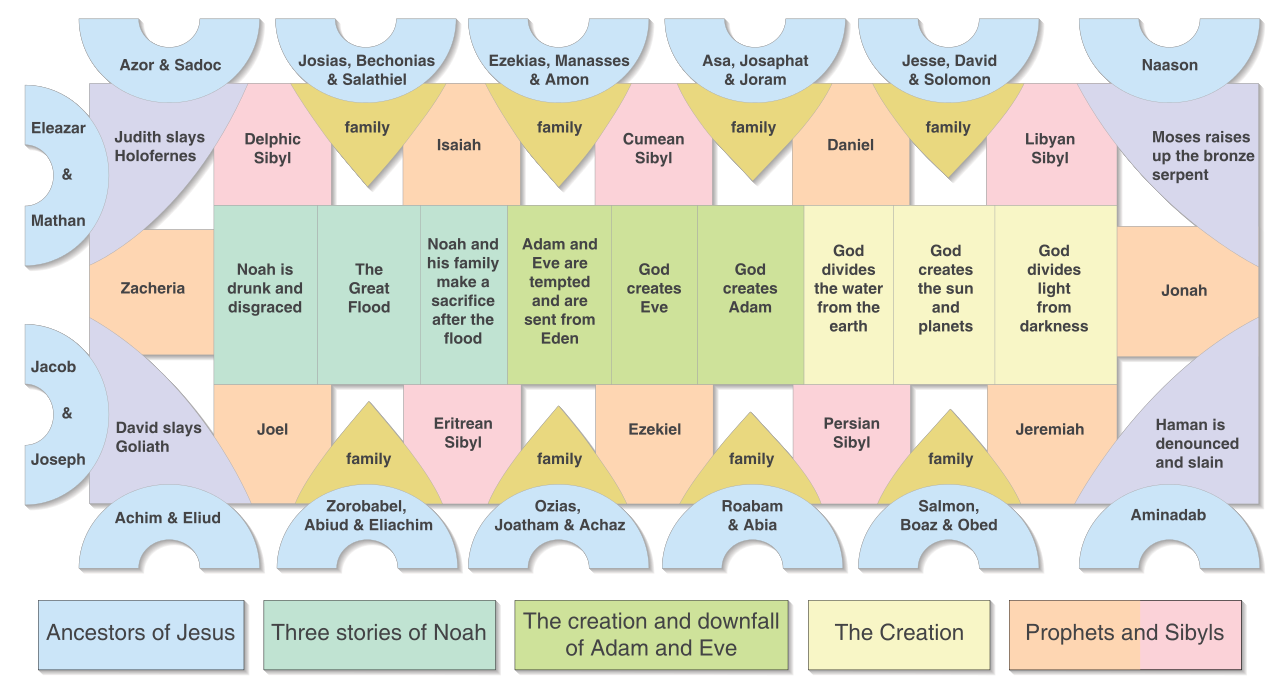
  4. Iconic Scenes: The ceiling of the Sistine Chapel features a series of nine central panels, each depicting a different biblical scene from the Book of Genesis. The most famous of these scenes is "The Creation of Adam," in which God reaches out to touch the hand of Adam, symbolizing the moment of creation.
  5. Complexity and Detail: Michelangelo's ceiling is renowned for its complexity and detail. The artist painstakingly depicted a multitude of figures, including prophets, angels, and other biblical characters, all rendered with remarkable anatomical accuracy and emotional depth.
  6. Symbolism and Narrative: Beyond its aesthetic beauty, the Sistine Chapel ceiling is rich in symbolism and narrative significance. Michelangelo's compositions convey profound theological themes and reflect the humanist ideals of the Renaissance era.
  7. Restoration: Over the centuries, the Sistine Chapel ceiling suffered from damage and deterioration due to factors such as humidity, candle smoke, and atmospheric pollution. In the late 20th century, extensive restoration efforts were undertaken to preserve Michelangelo's masterpiece and reveal its original splendor.
In summary, Michelangelo's painting of the Sistine Chapel ceiling represents a triumph of artistic vision and technical skill. It remains one of the most iconic and enduring achievements in the history of Western art, continuing to inspire and awe visitors from around the world.
Diagram of the subjects of the Sistine Chapel [1] (photo: Begoon, CC BY-SA 3.0)
David
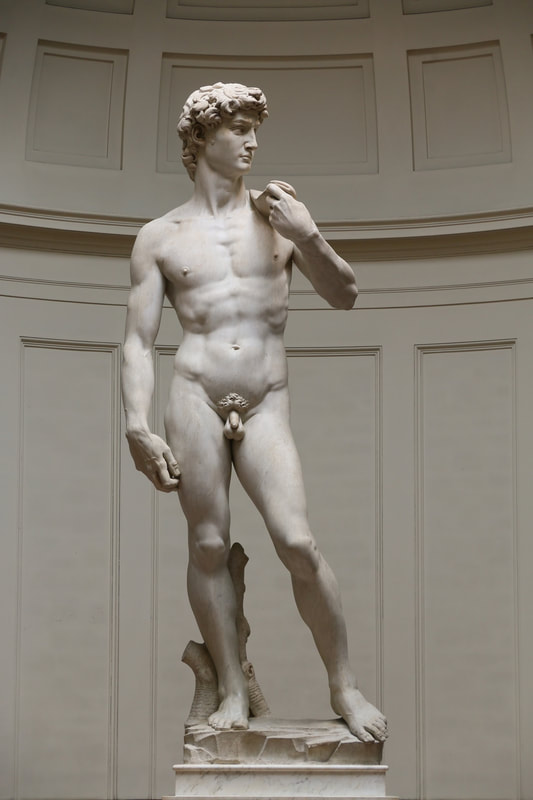
Michelangelo's sculpture of David is a sublime testament to his mastery of marble carving. Carved from a single block of Carrara marble, the statue depicts the biblical hero David in a moment of serene determination before his battle with Goliath. Standing over 17 feet tall, David exemplifies Michelangelo's ability to imbue stone with lifelike vitality and emotional depth.
Picture
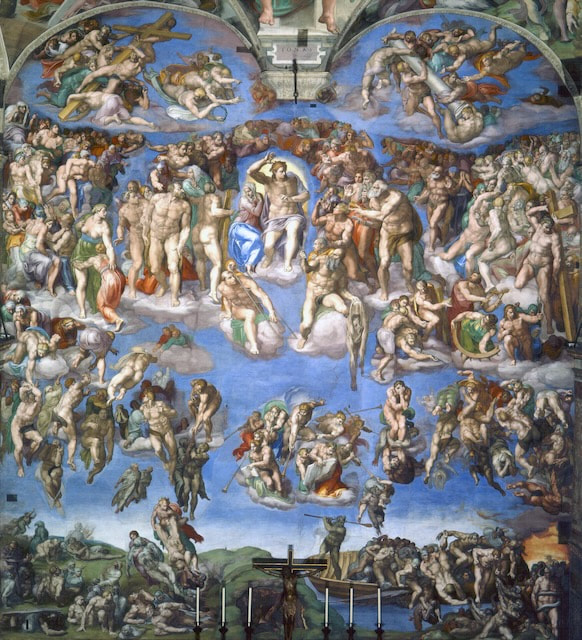
The Last Judgment
Adorning the altar wall of the Sistine Chapel, The Last Judgment is another of Michelangelo's monumental frescoes. Completed later in his career, the fresco depicts the Second Coming of Christ and the final judgment of souls. Its sweeping scale and dramatic intensity showcase Michelangelo's unparalleled command of composition and anatomy.
Picture

Comparison between Michelangelo and Leonardo da Vinci

Aspect Michelangelo Leonardo da Vinci
Field Sculpture, Painting, Architecture Painting, Drawing, Invention, Science
Famous Works David, Sistine Chapel ceiling, The Last Judgment Mona Lisa, The Last Supper, Vitruvian Man
Style Dramatic, Emotional, Sculptural Subtle, Detailed, Realistic
Medium Marble, Fresco, Tempera, Oil Oil, Tempera, Ink, Chalk
Approach to Anatomy Idealized, Emphasized Musculature Detailed, Scientific, Accurate
Techniques and Style
Michelangelo's artistic technique was characterised by meticulous attention to detail and a deep understanding of human anatomy. He believed that the true artist must possess an intimate knowledge of the human form to create works of enduring beauty and significance.
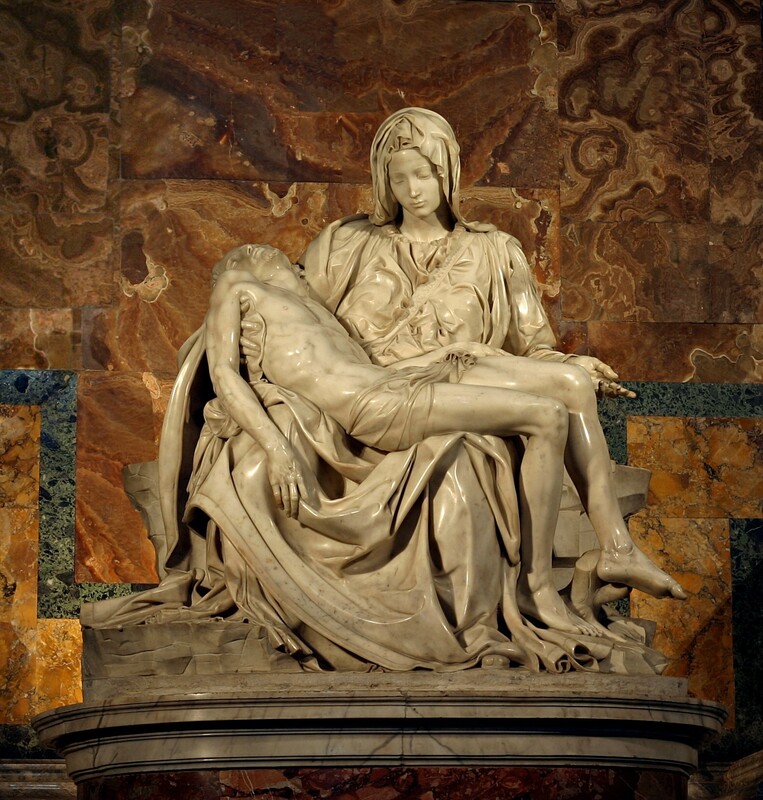
In his sculptures, Michelangelo employed a technique known as "non finito," or unfinished style, which deliberately left certain elements of the sculpture rough and unpolished. This technique allowed him to convey a sense of dynamic movement and raw emotion, giving his works a sense of vitality and immediacy.
Madonna della Pietà
Picture
Legacy and Influence
Michelangelo's influence on the course of Western art cannot be overstated. His revolutionary approach to form, composition, and expression paved the way for future generations of artists to explore new artistic possibilities.
Throughout the centuries, artists such as Raphael, Leonardo da Vinci, and Caravaggio have drawn inspiration from Michelangelo's work, incorporating elements of his style into their own creations. His legacy endures not only in the masterpieces he left behind but also in the countless artists who continue to be inspired by his genius.
In conclusion, Michelangelo's contributions to art have left an indelible mark on the world, elevating the human spirit and transcending the boundaries of time and space. His unwavering dedication to his craft and his unparalleled vision continue to inspire and captivate audiences around the globe, ensuring that his legacy will endure for generations to come.

​
Michelangelo's Muse: Tracing the Artistic Lineage that Shaped the Master's Marvels


Michelangelo, the sculptor, painter, and architect extraordinaire, stands as one of the giants of the Renaissance. Yet, behind every masterful stroke and chisel lies the profound influence of his predecessors. In this exploration, we unravel the artistic genealogy that nurtured Michelangelo's genius, examining the mentors and trailblazers who played pivotal roles in shaping his monumental legacy.
I. Giotto's Glimmer: The Proto-Renaissance Maestro
Giotto di Bondone often hailed as the precursor to the Renaissance, infused emotion and naturalism into his art, breaking away from the stiffness of medieval conventions. His pioneering spirit laid the foundation for the evolving artistic landscape, setting the stage for Michelangelo's profound expressions of human emotion and anatomical precision.
II. The Draughtsmanship of Masaccio
Masaccio's mastery of perspective and anatomy had a profound impact on Michelangelo's artistic development. As a pioneer of the Early Renaissance, Masaccio's frescoes revealed a keen understanding of the human form and an unparalleled ability to convey three-dimensional space. Michelangelo would later incorporate these principles into his own iconic works, such as the Sistine Chapel ceiling.
III. Lorenzo Ghiberti's Legacy: The Gates of Paradise
Renowned for his contributions to the Baptistery doors in Florence, Lorenzo Ghiberti's intricate reliefs and use of classical motifs left an indelible mark on Michelangelo's artistic sensibilities. Ghiberti's attention to detail and commitment to classical aesthetics influenced Michelangelo's sculptural masterpieces, including the iconic Statue of David.
IV. The Duality of Donatello
Donatello, a contemporary and mentor to Michelangelo, played a significant role in shaping the younger artist's understanding of sculpture. Donatello's experimentation with contrapposto, the pose that suggests natural movement, and his exploration of classical themes inspired Michelangelo's approach to the human form, evident in masterpieces like the Pieta.
V. The Palette of the Masters: Michelangelo's Colourful Expressions
While Michelangelo is often celebrated for his monumental sculptures, his contributions to painting are equally noteworthy. Like his predecessors, he initially worked with tempera, but he later experimented with fresco techniques, as seen in the iconic Sistine Chapel ceiling. Michelangelo's mastery of colour and light transcended traditional boundaries, showcasing a nuanced understanding of pigments and their transformative power.
Conclusion:
Michelangelo's artistic journey was a tapestry woven with threads of inspiration from the great minds of the Renaissance. From Giotto's emotional resonance to Masaccio's groundbreaking perspective, each predecessor contributed to the artistic alchemy that produced Michelangelo's enduring masterpieces. As we marvel at the Sistine Chapel and the David, let us recognise the profound impact of those who came before, guiding the chisel and brush of one of history's greatest artistic titans.
0 Comments


Leave a Reply.

    Author

    Gordon Bruce 

    Archives

    May 2024
    March 2024
    February 2024
    January 2024

    Categories

    All
    Canaletto
    Caravaggio
    Edward Hopper
    Frida Kahlo
    Grandma Moses
    John William Waterhouse
    Joseph Farquharson
    Louise Rayner
    Lowry
    Michelangelo
    Pieter De Hooch
    Predecessors Who Shaped Leonardo Da Vinci's Genius
    Renoir
    Salvador Dali
    RSS Feed

Support

CONTACT ME

© COPYRIGHT 2024. ALL RIGHTS RESERVED.
  • Home page
  • CONTACT ME
  • Cow paintings
  • Scottish Landscape paintings
  • Latest and upcoming paintings
  • Mary Poppins inspired paintings
  • folk art landscape paintings
  • Blog - Brushstrokes of History: Tales from the Lives of Master Artists
  • The Sound of Music Collection
  • Paintings of Venice
  • LINKS
    • Charles Dickens inspired art and gifts
    • Original paintings of London
    • How to paint like Bob Ross
    • PopUp painting
    • Second star to the right a Peter Pan inspired painting
    • Van Gogh and the Starry Night painting
    • Van Gogh: A Starry Night and Beyond
  • Seasonal paintings
  • Welcome to the Gallery of the Masters - Vermeer
  • Beautiful Seascapes On Canvas
  • Cityscape Paintings in Oil
  • Handcrafted Oil Portraits and Scenic Art