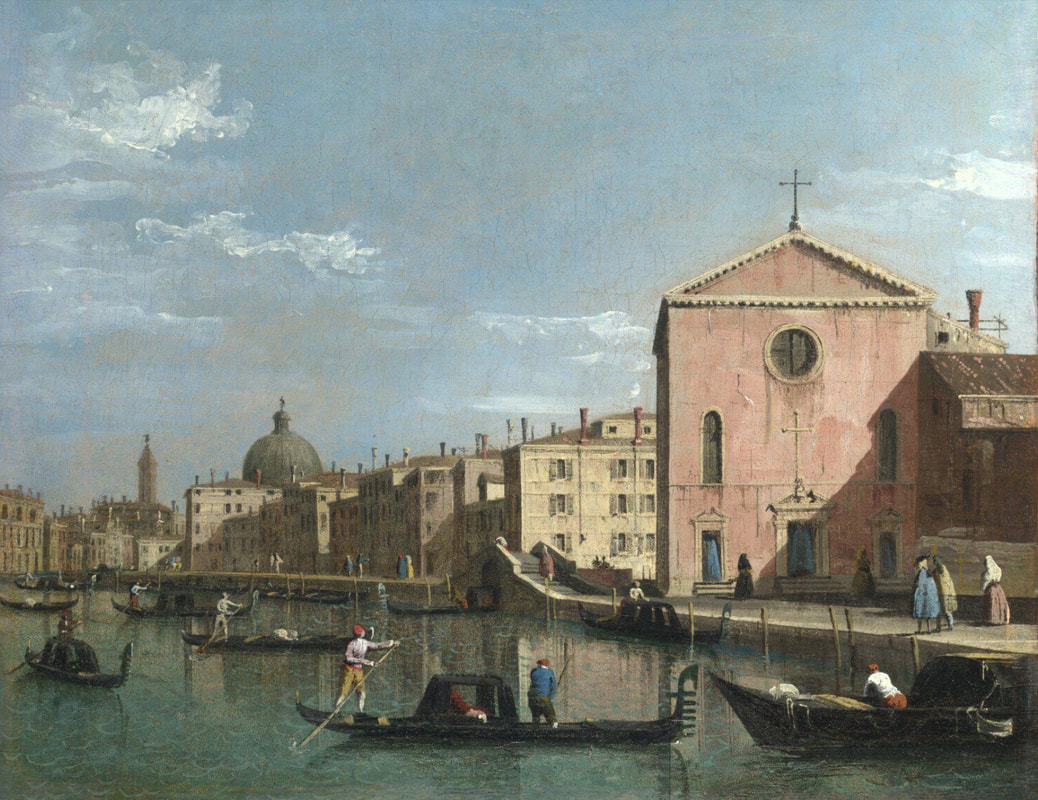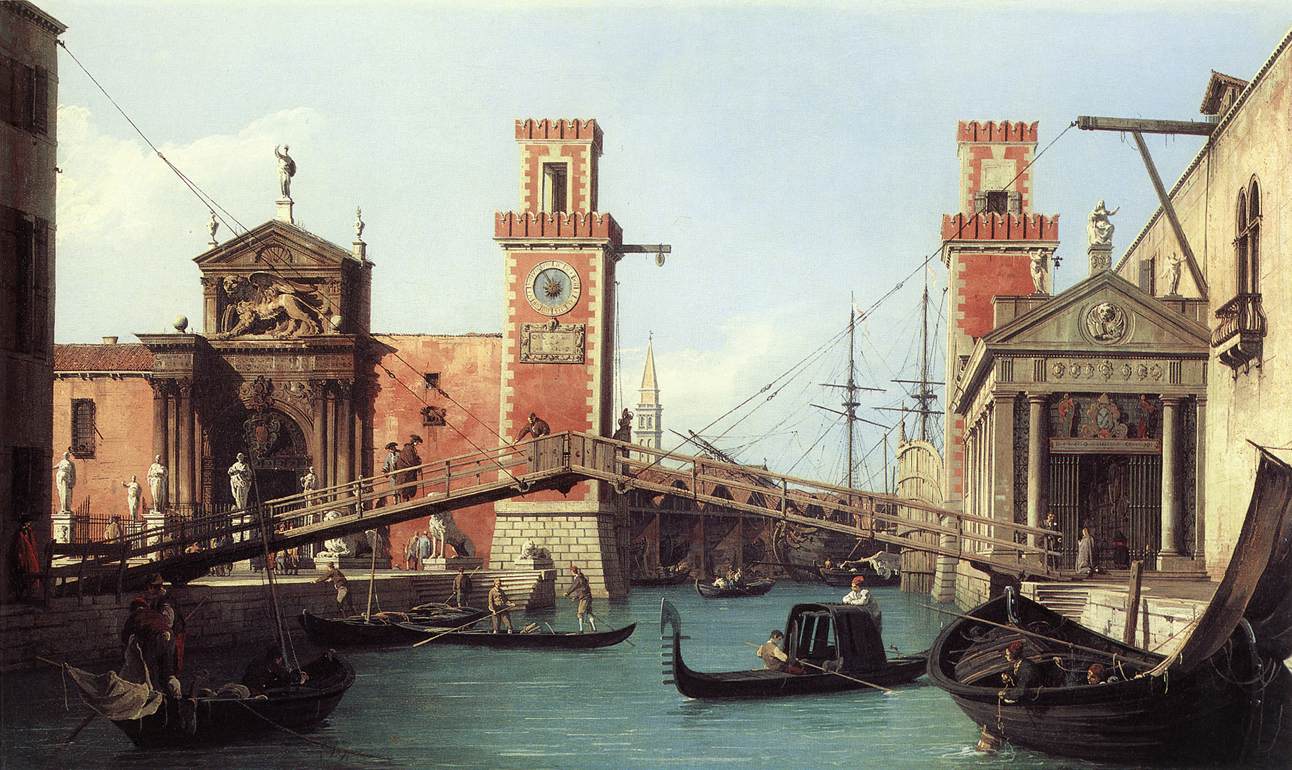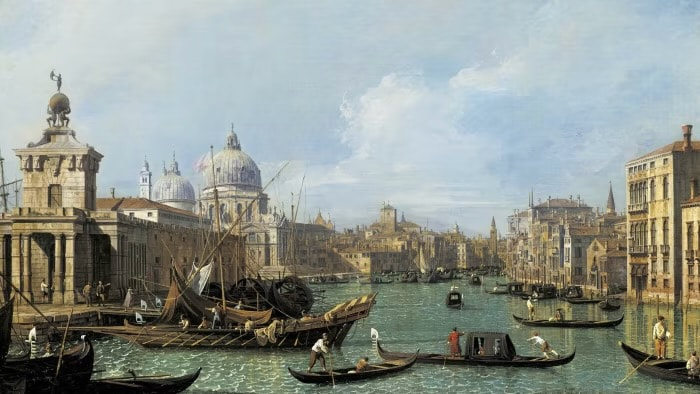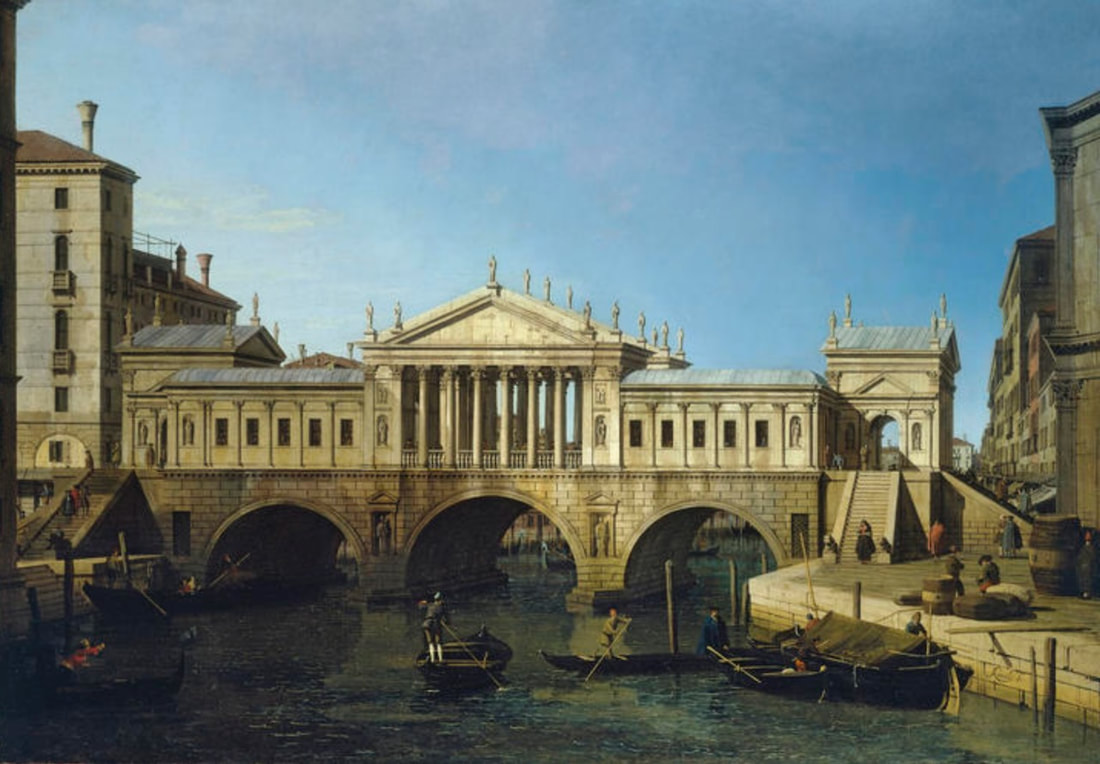
Gordon Bruce art
  • Home page
  • CONTACT ME
  • Cow paintings
  • Scottish Landscape paintings
  • Latest and upcoming paintings
  • Mary Poppins inspired paintings
  • folk art landscape paintings
  • Blog - Brushstrokes of History: Tales from the Lives of Master Artists
  • The Sound of Music Collection
  • Paintings of Venice
  • LINKS
    • Charles Dickens inspired art and gifts
    • Original paintings of London
    • How to paint like Bob Ross
    • PopUp painting
    • Second star to the right a Peter Pan inspired painting
    • Van Gogh and the Starry Night painting
    • Van Gogh: A Starry Night and Beyond
  • Seasonal paintings
  • Welcome to the Gallery of the Masters - Vermeer
  • Beautiful Seascapes On Canvas
  • Cityscape Paintings in Oil
  • Handcrafted Oil Portraits and Scenic Art

Brushstrokes of History: Tales from the Lives of Master Artists

Explore the rich tapestry of art history through the captivating tales of master artists. 'Brushstrokes of History' delves into the lives, inspirations, and legacies of renowned painters, offering insights into their artistic journey and the profound impact they left on the world of art.

Categories

All
Canaletto
Caravaggio
Edward Hopper
Frida Kahlo
Grandma Moses
John William Waterhouse
Joseph Farquharson
Louise Rayner
Lowry
Michelangelo
Pieter De Hooch
Predecessors Who Shaped Leonardo Da Vinci's Genius
Renoir
Salvador Dali
Grandma Moses: A Folk Art Journey Through Rural Splendour

1/29/2024

0 Comments

 
Picture
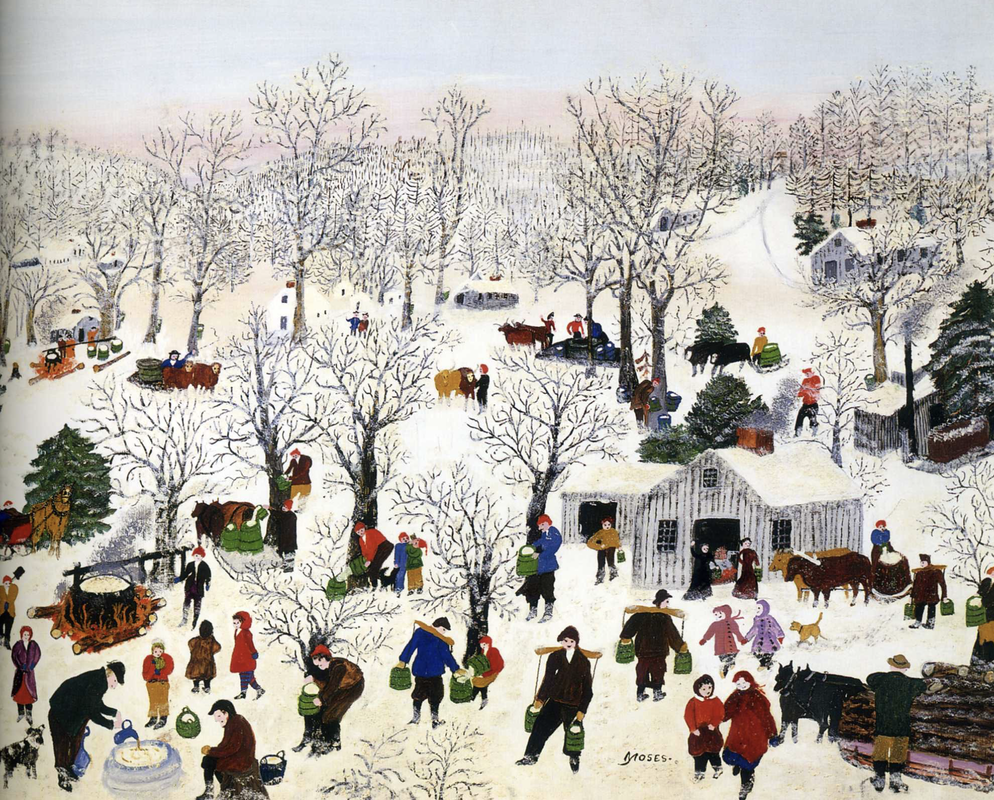
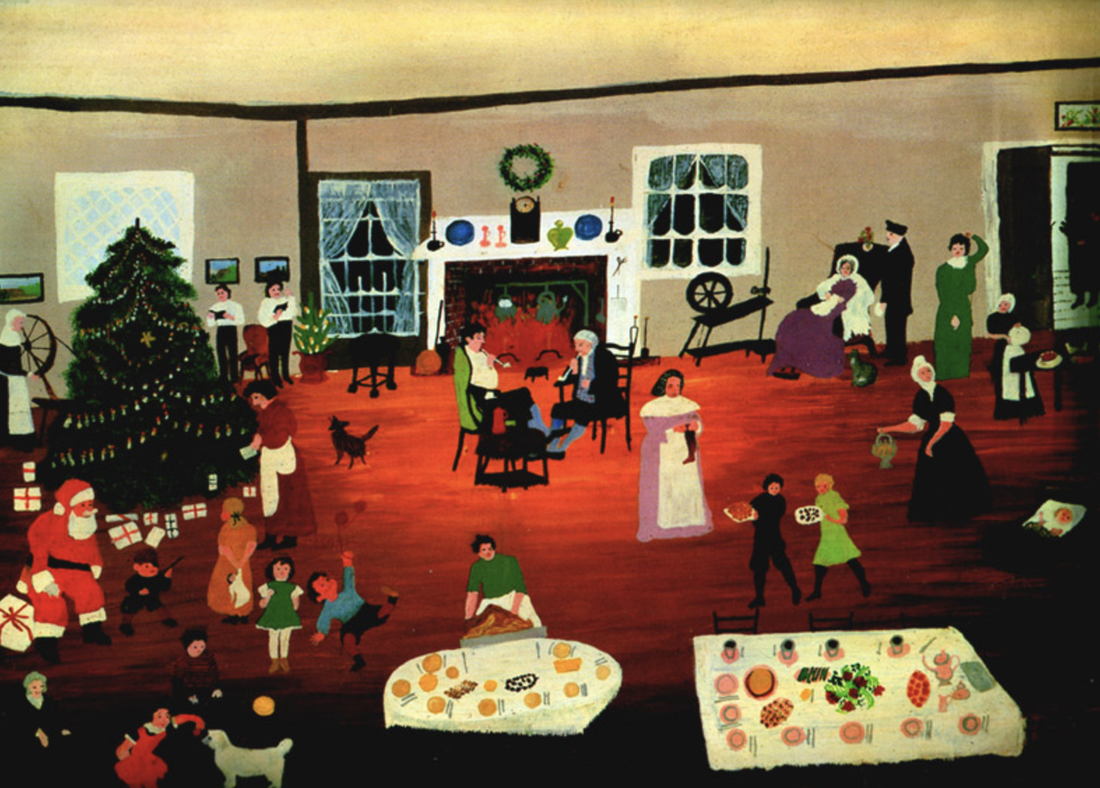
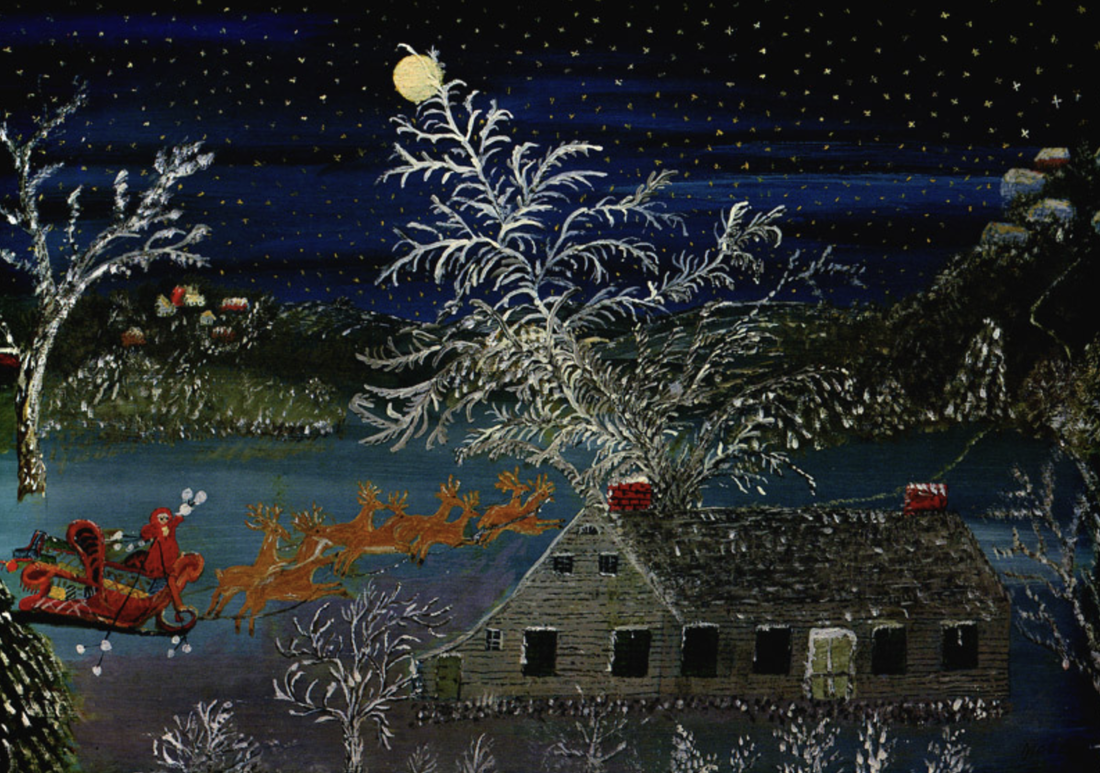
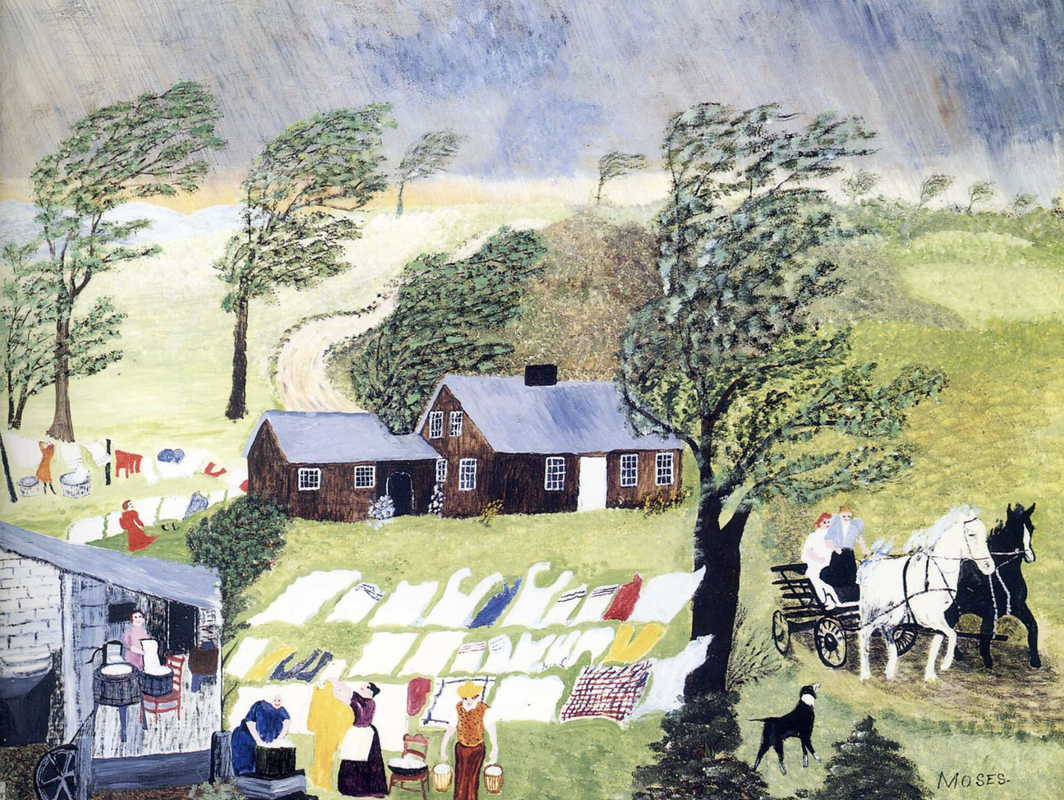
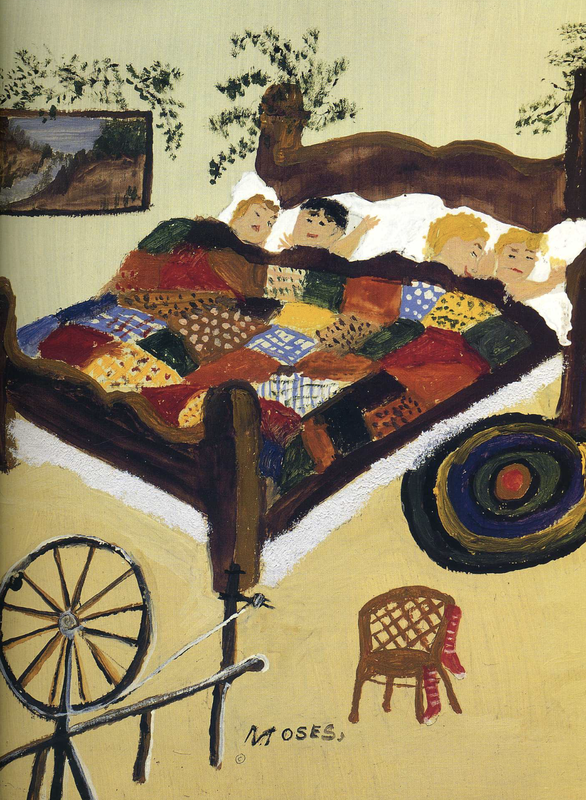
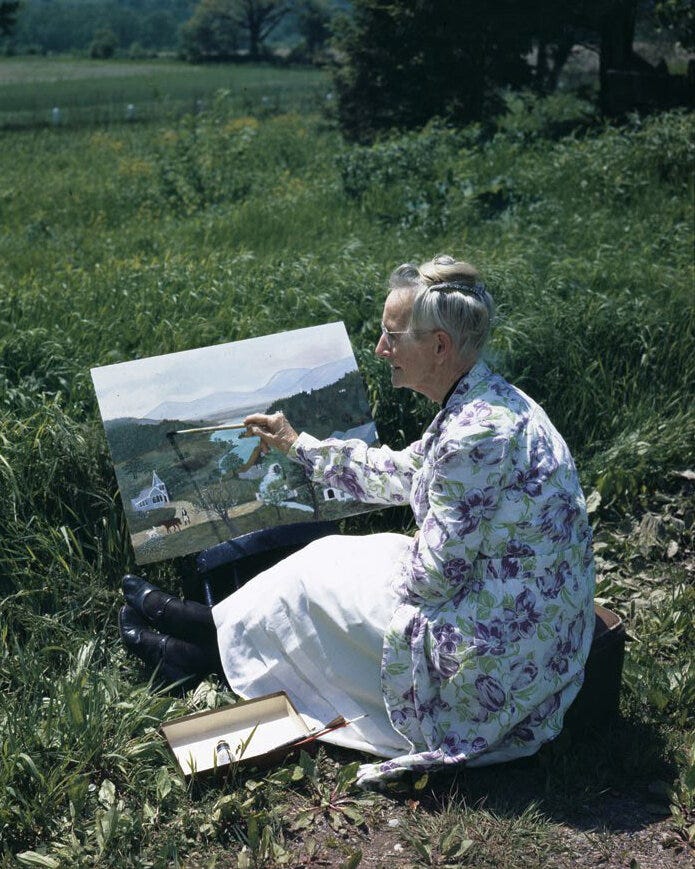
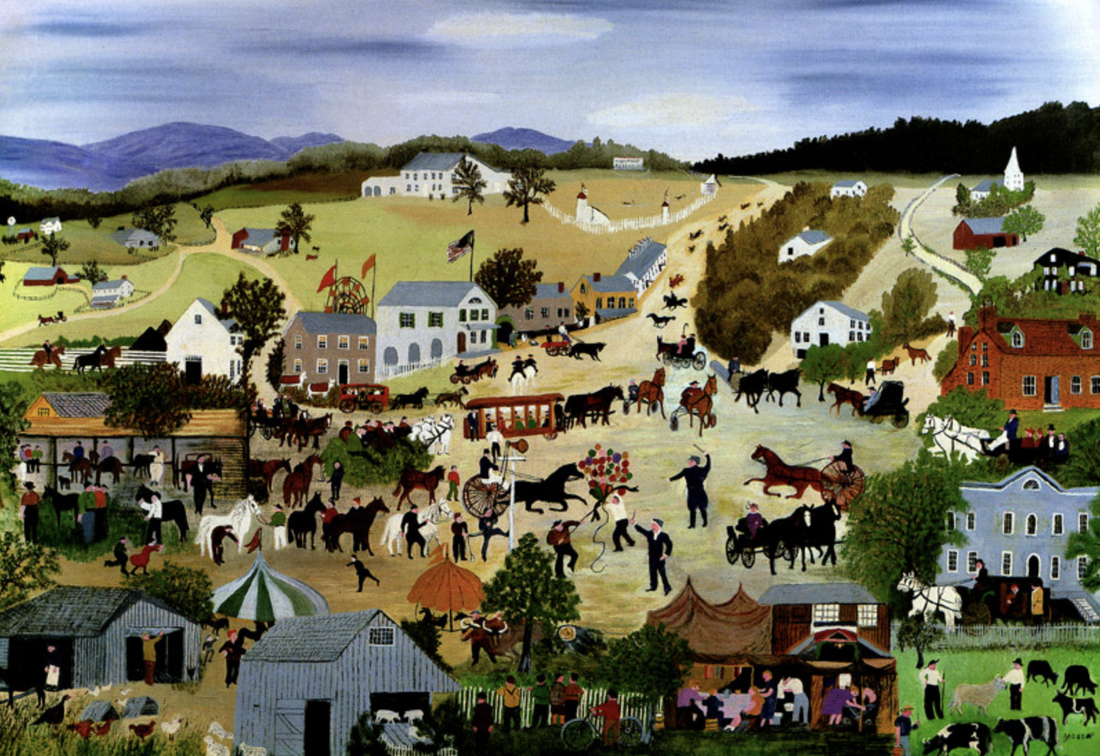
Anna Mary Robertson Moses, affectionately known as Grandma Moses, left an enduring legacy as a self-taught folk artist whose paintings captured the simplicity and charm of rural life. Her unique style and nostalgic depictions were shaped by a variety of influences from the world of folk art. In this exploration, we will unravel the artistic lineage that paved the way for Grandma Moses's distinctive style, examining the mentors and folk traditions that inspired her enchanting portrayals of rural landscapes.
Grandma Moses
Early American Folk Art Traditions: The Hearthside Inspirations
Grandma Moses drew inspiration from early American folk art traditions, where everyday scenes and domestic life took centre stage. The simplicity and heartfelt warmth of these traditions influenced Moses's choice of subjects and her commitment to portraying the familiar, creating a visual narrative of rural existence.
The Naïve Brilliance of Henri Rousseau
Henri Rousseau, a French post-impressionist painter known for his naïve style, contributed to Grandma Moses's artistic palette. Rousseau's uninhibited approach to painting and his use of vibrant colours influenced Moses's bold, cheerful compositions, reflecting the joy and optimism inherent in her rural scenes.
Currier and Ives: Chroniclers of Rural America
The prints of Currier and Ives, popular in the 19th century, celebrated rural American life in a style that resonated with Grandma Moses. Their picturesque landscapes and narrative scenes inspired Moses to capture the essence of a bygone era in her own work, perpetuating the nostalgic allure of rural America.
The Influence of European Naïve Art
Grandma Moses admired the works of European naïve artists, such as Grandma Moses of France and Niko Pirosmani of Georgia. These artists, like Moses herself, lacked formal training but possessed an innate ability to convey the simplicity and beauty of everyday life. Moses's exposure to these European counterparts broadened her appreciation for the universality of the folk art aesthetic.
The Palette of Grandma Moses: A Quilt of Colours
Grandma Moses primarily worked with oil paints on Masonite or pressed wood boards. Her palette, influenced by the vibrant hues of Rousseau and the earthy tones of early American folk art, consisted of warm, harmonious colours that brought her charming rural scenes to life. Moses's paintings often exuded a sense of nostalgia, inviting viewers to step into a simpler, more idyllic time.
Grandma Moses's artistic journey was a testament to the enduring power of folk art traditions and the influences of kindred spirits. From the quaint charm of early American folk art to the naïve brilliance of Rousseau, each influence contributed to the unique tapestry of Grandma Moses's work. As we marvel at the simplicity and joy encapsulated in her rural scenes, let us appreciate the rich folk art heritage that guided Grandma Moses's brush through the fields and byways of her beloved landscapes.
0 Comments

Exploring Canaletto: A Glimpse into Timeless Inspirations

1/29/2024

0 Comments

 
In the realm of art history, few names evoke the grandeur of Venice quite like Canaletto. Born Giovanni Antonio Canal in 1697, the Italian painter rose to prominence for his stunning depictions of Venetian landscapes, capturing the essence of the city's picturesque canals, vibrant architecture, and bustling life with unparalleled finesse. His legacy transcends generations, leaving behind a treasure trove of inspiration for artists across the globe.
​

Understanding Canaletto's Craft

Canaletto's mastery lies not only in his technical precision but also in his ability to infuse each canvas with life and energy. His keen eye for detail and remarkable skill in perspective granted his works an almost photographic quality, inviting viewers to immerse themselves in the rich tapestry of Venetian life during the 18th century.
Picture
One cannot help but marvel at the meticulousness with which Canaletto rendered every architectural facet, from the intricate facades of Venetian palaces to the play of light and shadow dancing upon the waters of the Grand Canal. Through his paintings, he not only captured the physicality of Venice but also its essence—the palpable sense of history, culture, and vitality that permeated its streets.
Unraveling Inspirations
For Canaletto, inspiration flowed from various quarters, including his contemporaries and predecessors. Artists such as Luca Carlevarijs and Marco Ricci significantly influenced Canaletto's style and subject matter. Carlevarijs, in particular, pioneered the veduta painting genre, which Canaletto would later master and refine to perfection.
Moreover, Canaletto drew inspiration from the works of Dutch landscape painters, notably Jacob van Ruisdael and Jan van Goyen, whose command of light, atmosphere, and composition left an indelible mark on his artistic sensibilities.
Personal Reflections
As artists, we find ourselves drawn to Canaletto's meticulous attention to detail and his unwavering commitment to capturing the essence of his subject matter. His ability to convey the rhythm and flow of everyday life within the bustling streets of Venice serves as a reminder of the inherent beauty that lies in the mundane.
Moreover, Canaletto's work inspires us to approach our own craft with a sense of reverence and wonder—to see the world through fresh eyes and to embrace the infinite possibilities that lie within the realm of artistic expression. In studying his paintings, we are reminded of the transformative power of art to transcend barriers of time and space, inviting us to engage with the world in new and profound ways.

​Venice, with its labyrinthine canals, majestic palazzos, and timeless allure, has always been a muse for artists seeking to capture its unique beauty. Among these, one name shines brightly: Canaletto. Giovanni Antonio Canal, known by his pseudonym Canaletto, is celebrated as one of the greatest vedutisti (cityscape painters) of all time, with his masterful depictions of Venice immortalizing the city's grandeur for generations to come.
Born in 1697 into a family of painters, Canaletto honed his skills under the tutelage of his father, Bernardo Canal, a scenic painter. Early in his career, Canaletto focused on painting theatrical scenery, mastering the art of perspective and spatial composition—a skill that would later define his renowned vedute of Venice.
Canaletto's paintings of Venice are distinguished by their meticulous attention to detail and unparalleled accuracy. His works capture the city's architectural marvels with astonishing precision, rendering every facade, bridge, and canal with remarkable fidelity. Canaletto's commitment to realism was not merely technical; it was infused with a profound love for his native city, evident in the affectionate portrayal of its landmarks and everyday life.
One of Canaletto's most notable contributions to the genre of vedute was his innovative use of the camera obscura—a device that projected an image onto a surface, aiding artists in achieving precise perspective and proportions. Canaletto's mastery of this tool allowed him to create compositions of breathtaking realism, imbuing his paintings with a sense of depth and spatial coherence that was unprecedented in his time.
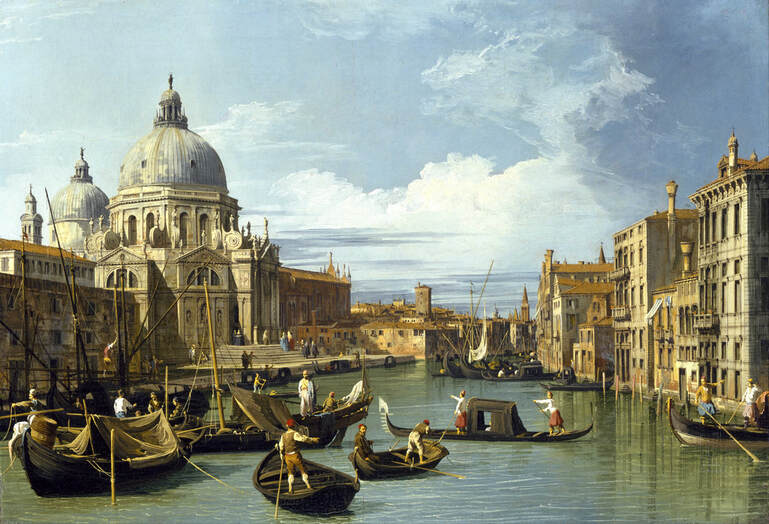
Among Canaletto's most iconic works are his series of paintings depicting the Grand Canal, Venice's main thoroughfare and a symbol of the city's grandeur. In these paintings, Canaletto captures the bustling life along the canal, with gondolas gliding gracefully amidst palatial facades bathed in golden sunlight. Each brushstroke is imbued with a sense of vitality, transporting the viewer to the heart of Venetian splendour.
Beyond his vedute of Venice's famous landmarks, Canaletto also depicted the city's quieter corners and intimate scenes of everyday life. Whether portraying a bustling market square or a tranquil canal-side promenade, Canaletto's paintings evoke the timeless charm of Venice, inviting viewers to immerse themselves in its enchanting atmosphere.
Canaletto's influence extended far beyond his lifetime, shaping the way subsequent generations of artists perceived and portrayed Venice. His legacy lives on in the countless works of art that continue to celebrate the city's beauty, each one a testament to Canaletto's enduring genius and his unrivalled ability to capture the essence of Venice on canvas.

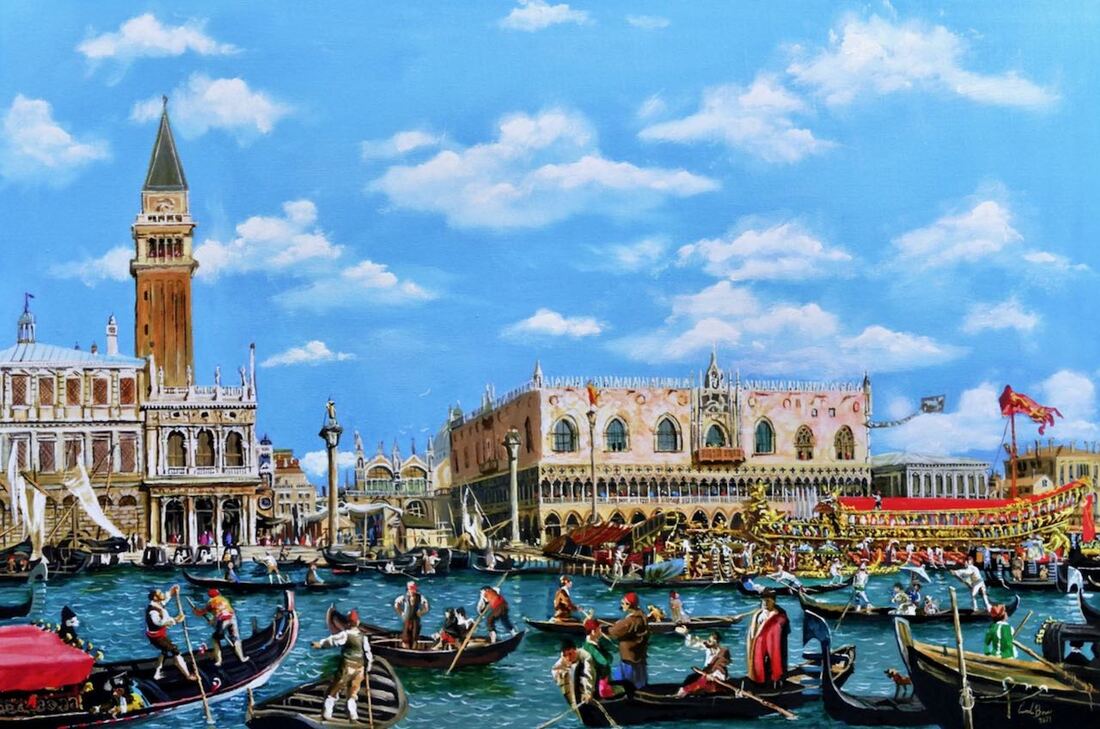
Below is my interpretation of Canaletto's Venice painting
In my ongoing exploration of Venice's allure, I recently tackled the challenge of recreating a Canaletto masterpiece, drawn to the city's timeless charm. As a homage to Canaletto's legacy, I reimagined the composition by adjusting boat arrangements and introducing new cloud formations, injecting a fresh perspective while staying true to his essence. Infusing vibrant colours reminiscent of his era, I sought to capture the essence of Venetian life as it might have appeared centuries ago. This endeavor serves as a dialogue between tradition and innovation, celebrating the enduring influence of artists like Canaletto while imprinting my own artistic voice onto the canvas. Through this reinterpretation, I celebrate the timeless power of art to evoke emotions across generations, guided by the rich heritage of Venetian artistry.
Picture
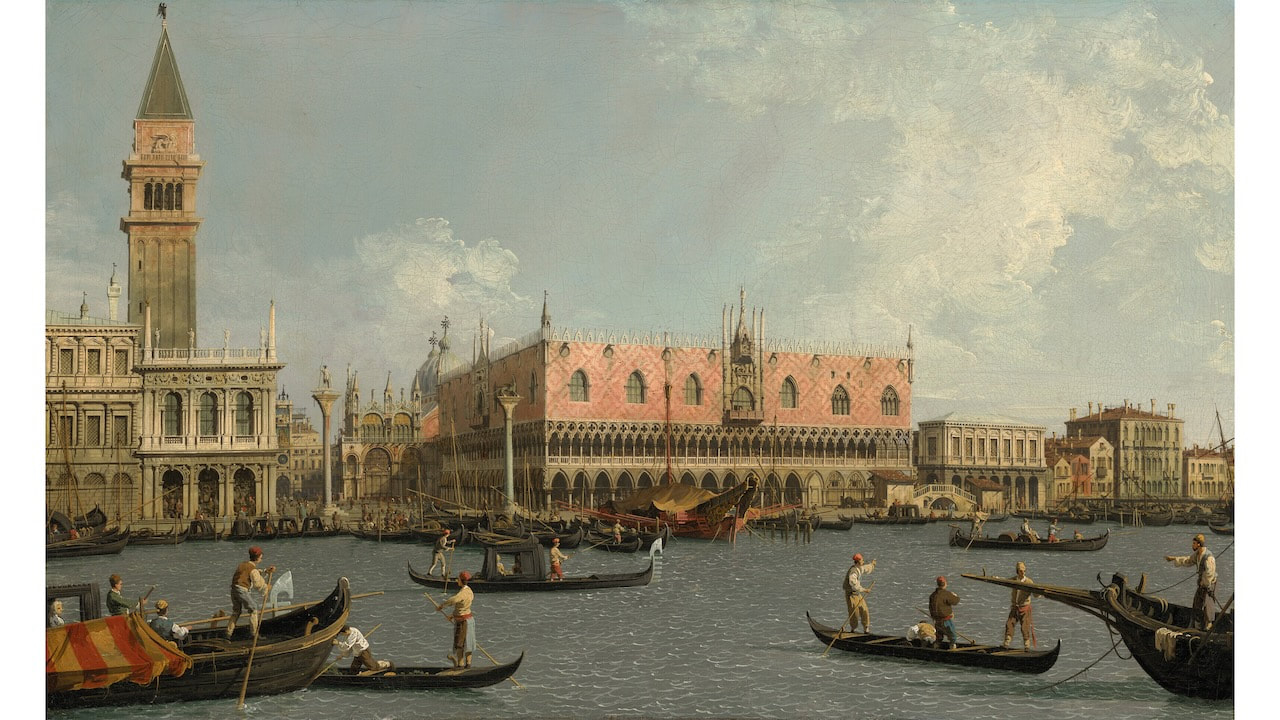
Canaletto's original below
Picture
Conclusion
In the annals of art history, Canaletto stands as a towering figure—a master craftsman whose legacy continues to resonate with artists and enthusiasts alike. Through his breathtaking depictions of Venice, he invites us to embark on a journey through time and space, exploring the rich tapestry of human existence with boundless curiosity and wonder.
In the immortal words of Vincent van Gogh, "Great things are not done by impulse, but by a series of small things brought together." Indeed, it is through the collective tapestry of artistic expression that we discover the true essence of what it means to be human—forever entwined in the eternal dance of creation and discovery.

Venice of Canaletto oil painting on canvas

£5,000.00

I have painted various scenes of Venice which is one of my main cities to paint. I have wanted to paint a Canaletto painting which is the one listed here. I have rearranged the boats seen in the water and painted different clouds to the ones Canaletto used. The reason for this was just so it’s not an exact copy of the original. I have tried my best in this painting to have colours more similar to how Canaletto’s original painting might have looked before fading over the centuries. The canvas measures 20 inches by 30 inches.

Shop

Oil painting of Venice Canvas print

£59.19 - £71.03
Looking to add a little flair to your room or office? Look no further - this canvas print has a vivid, fade-resistant print that you're bound to fall in love with.

• Acid-free, PH-neutral, poly-cotton base
• 20.5 mil (0.5 mm) thick poly-cotton blend canvas
• Canvas fabric weight: 13.9 oz/yd2(470 g/m²)
• Fade-resistant
• Hand-stretched over solid wood stretcher bars
• Matte finish coating
• 1.5″ (3.81 cm) deep
• Mounting brackets included
• Blank product in the EU sourced from Latvia
• Blank product in the US sourced from the US
Shop

Venice of Canaletto Matte Paper Framed print With Mat

£59.19 - £142.05
Make any room look more sophisticated by displaying this framed poster with a smooth, white mat board. It’s printed on a quality matte paper and framed with a semi-hardwood alder frame.

• Paper thickness: 10.3 mil
• Paper weight: 5.57 oz/y² (189 g/m²)
• Ayous wood frame
• Acrylite front protector
• White mat board
• Hanging hardware included
• 21×30cm posters are size A4
Shop
0 Comments

The Timeless Legacy of L.S. Lowry: Capturing the Essence of Urban Life

1/28/2024

0 Comments

 
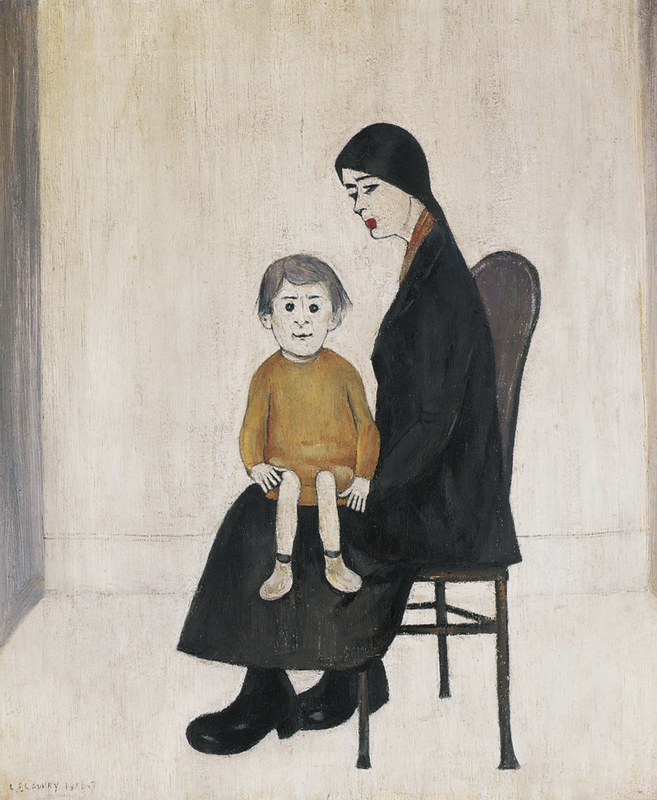
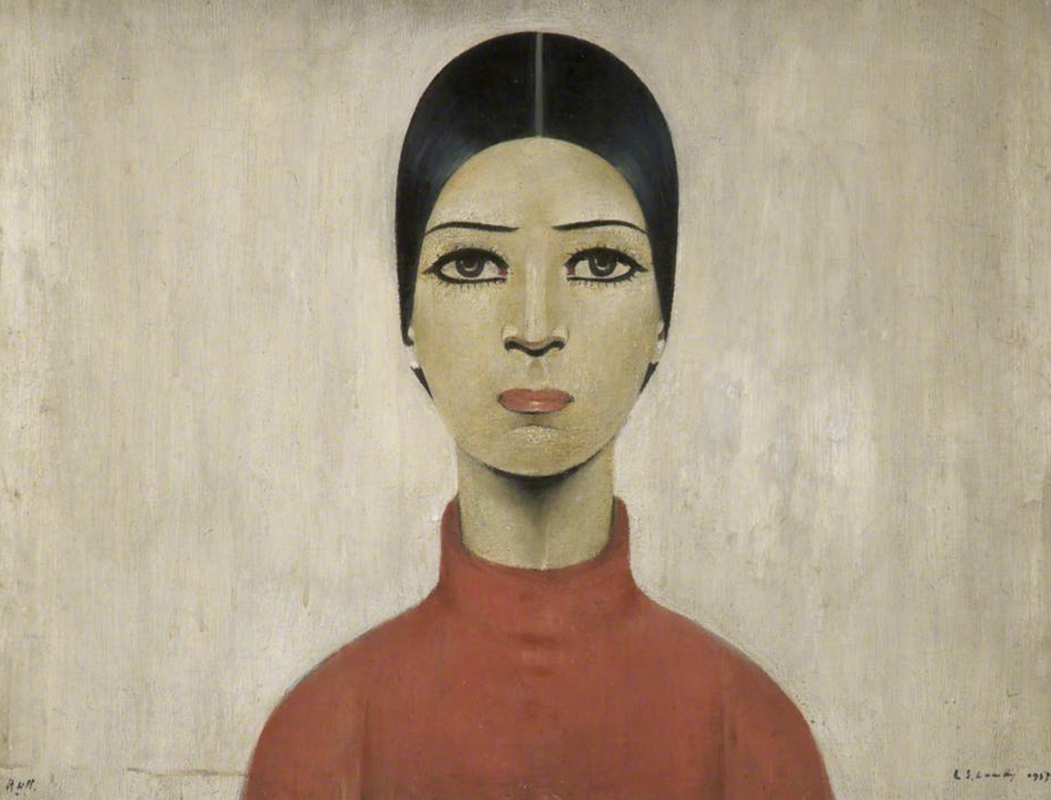
L.S. Lowry stands as one of the most iconic figures in British art, renowned for his evocative depictions of industrial landscapes and urban scenes. His unique style, characterized by simplified forms and a distinctive colour palette, captured the essence of working-class life in northern England during the 20th century. Through his paintings, Lowry immortalized the everyday hustle and bustle of industrial towns, offering a poignant reflection on the human condition and the impact of urbanization.
Industrial Landscapes:
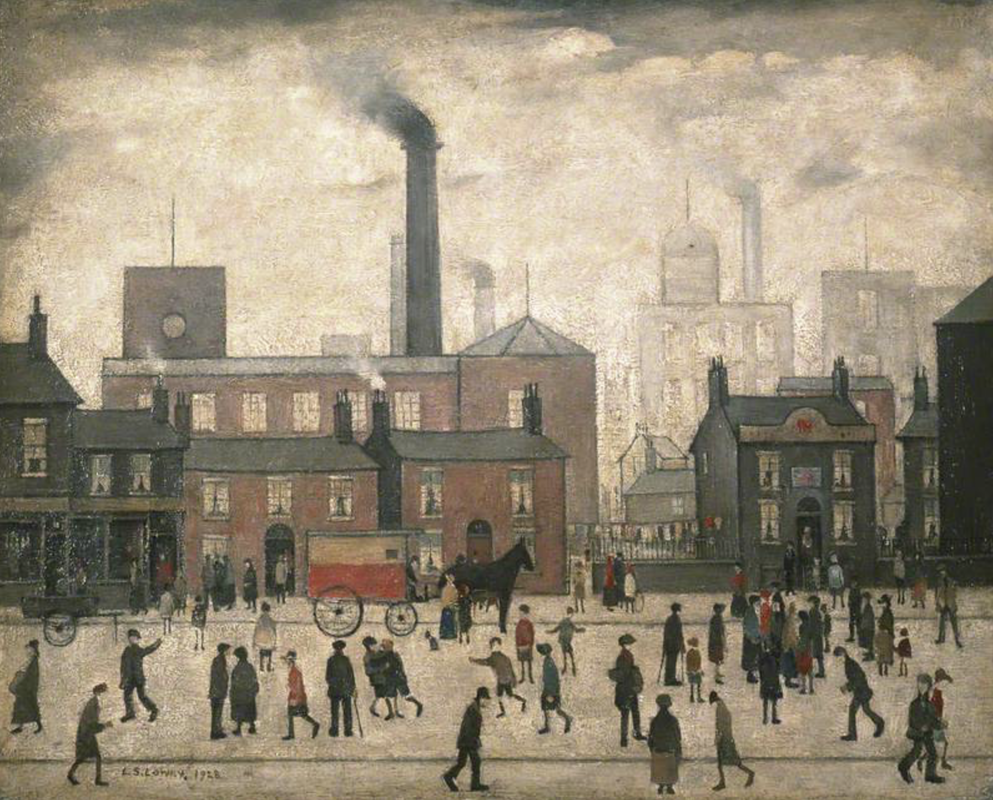
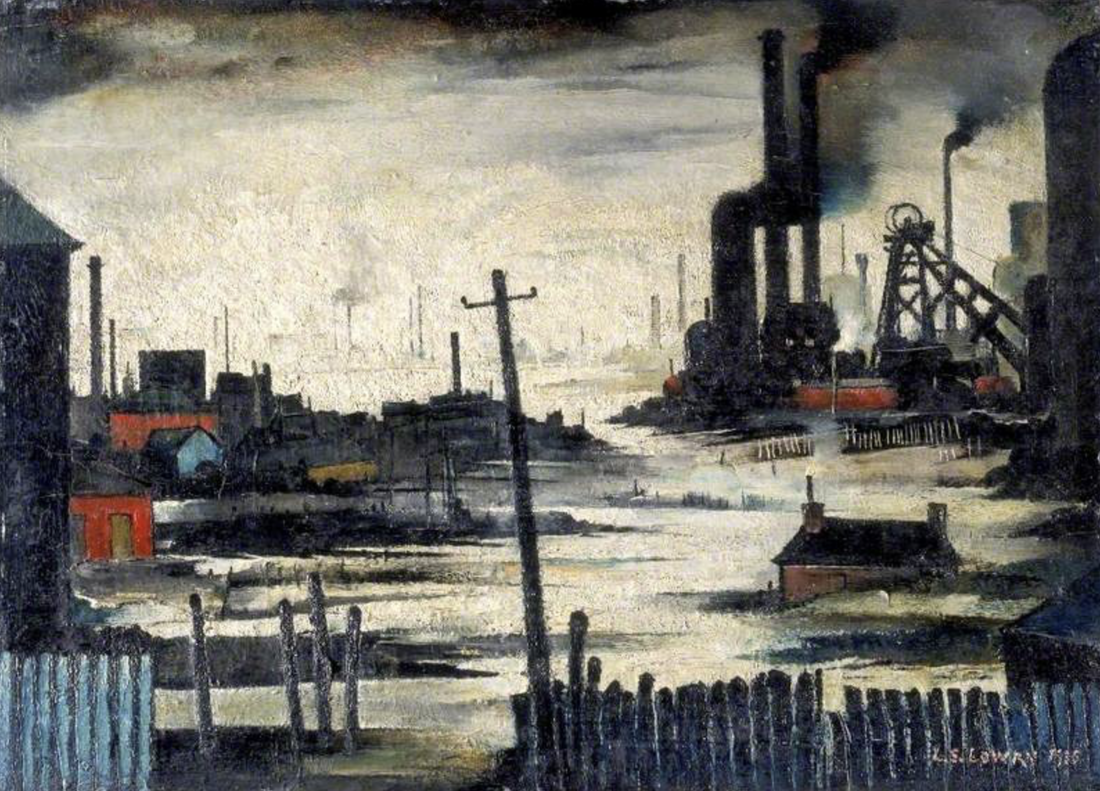
At the heart of Lowry's oeuvre lies a fascination with the industrial landscape. Born and raised in Manchester, Lowry drew inspiration from the factories, mills, and chimneys that dominated the northern skyline. His paintings often feature rows of terraced houses, smoking chimneys, and bustling streets, creating a visual narrative of urban life during the height of industrialization. Through his meticulous attention to detail, Lowry captured the gritty realism of working-class neighbourhoods, imbuing his paintings with a sense of authenticity and nostalgia.
Picture
A Manufacturing Town 1922

The Matchstick Men:
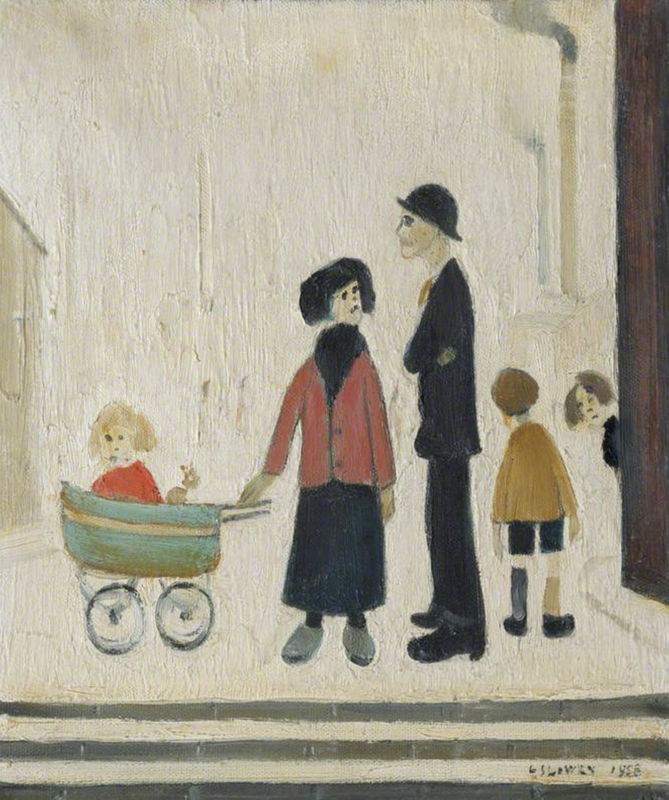
Central to Lowry's artistic vision are the iconic "matchstick men" figures that populate his paintings. Rendered with simple lines and minimal detail, these stick-figure characters became synonymous with Lowry's work, symbolizing the anonymity and alienation of urban existence. Despite their lack of individuality, the figures convey a sense of collective humanity, evoking empathy and introspection in the viewer. Through the repetition of these figures, Lowry captured the universality of human experience, transcending social barriers and cultural divides.
Social Commentary:
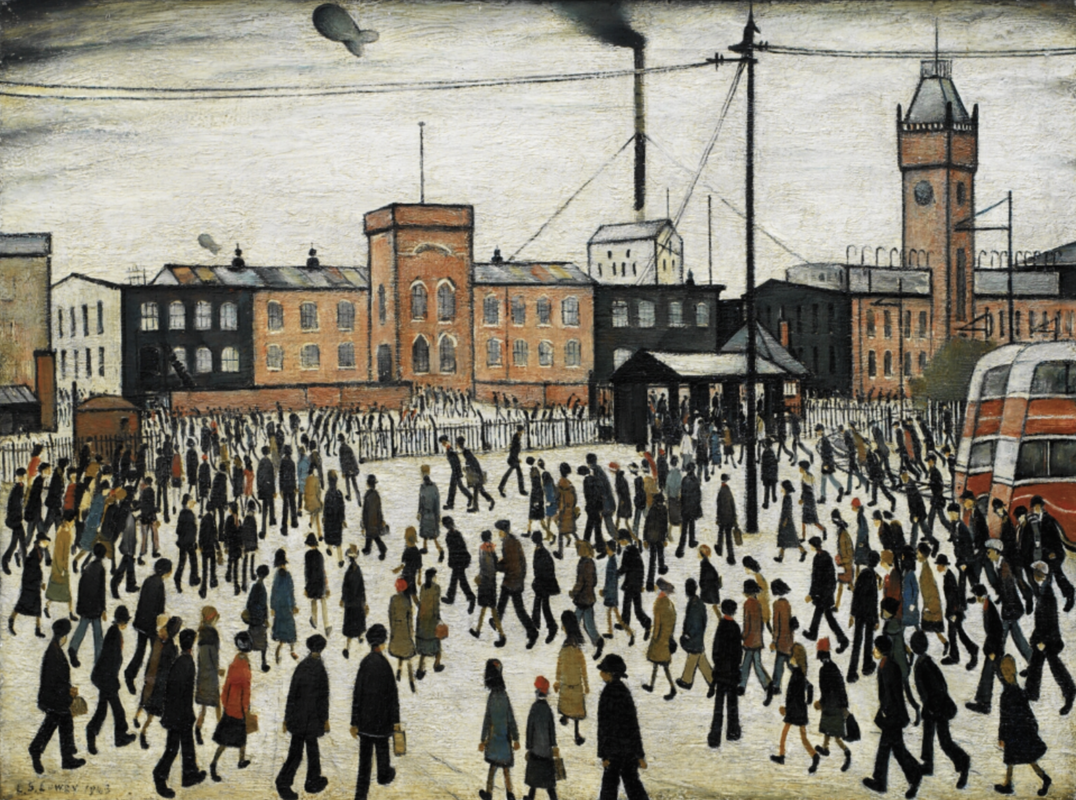
Beyond their aesthetic appeal, Lowry's paintings serve as a powerful commentary on the social and economic realities of working-class life. In works such as "Going to the Match" and "The Football Match," he depicts scenes of leisure and recreation amidst the backdrop of industrial landscapes, highlighting the resilience and camaraderie of local communities. Similarly, paintings like "An Industrial Landscape" and "Coming from the Mill" offer a glimpse into the harsh realities of industrial labor, portraying workers trudging home after a long day's work.
Legacy and Influence:
Despite initial criticism from art critics, Lowry's paintings gained widespread acclaim for their raw emotional power and universal appeal. Today, his works adorn the walls of prestigious galleries and private collections worldwide, cementing his status as one of Britain's most beloved artists. His legacy continues to inspire contemporary artists and filmmakers, serving as a timeless reminder of the human experience amidst the backdrop of urbanization and industrial progress.
Conclusion:
In conclusion, L.S. Lowry's enduring legacy lies not only in his artistic prowess but also in his ability to capture the essence of urban life with unparalleled depth and sensitivity. Through his paintings, he immortalized the spirit of working-class communities, offering a poignant reflection on the joys and struggles of everyday existence. As we reflect on his timeless contributions to the world of art, we are reminded of the enduring power of creativity to transcend boundaries and connect us to the shared experiences of humanity.
0 Comments

Edward Hopper: Master of Solitude and Light

1/27/2024

1 Comment

 
Picture
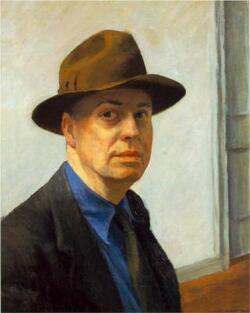
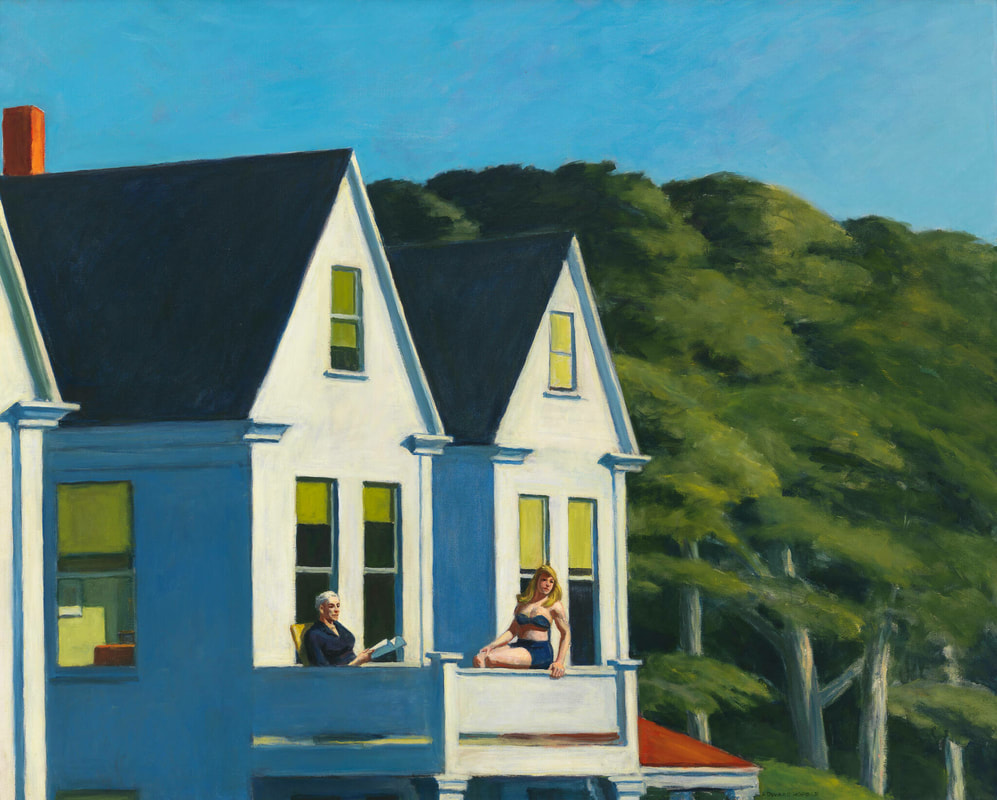
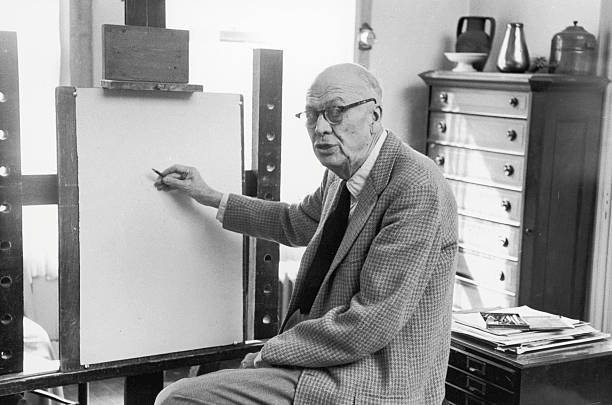
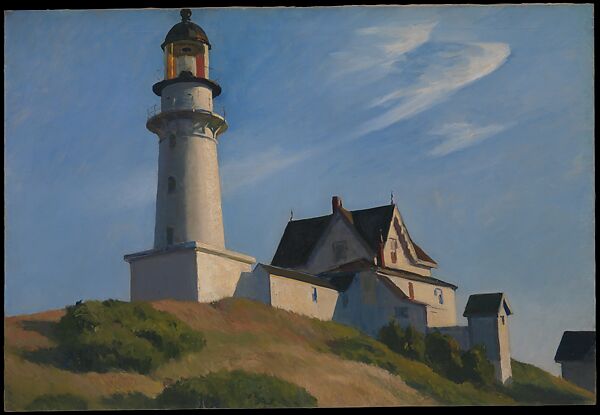
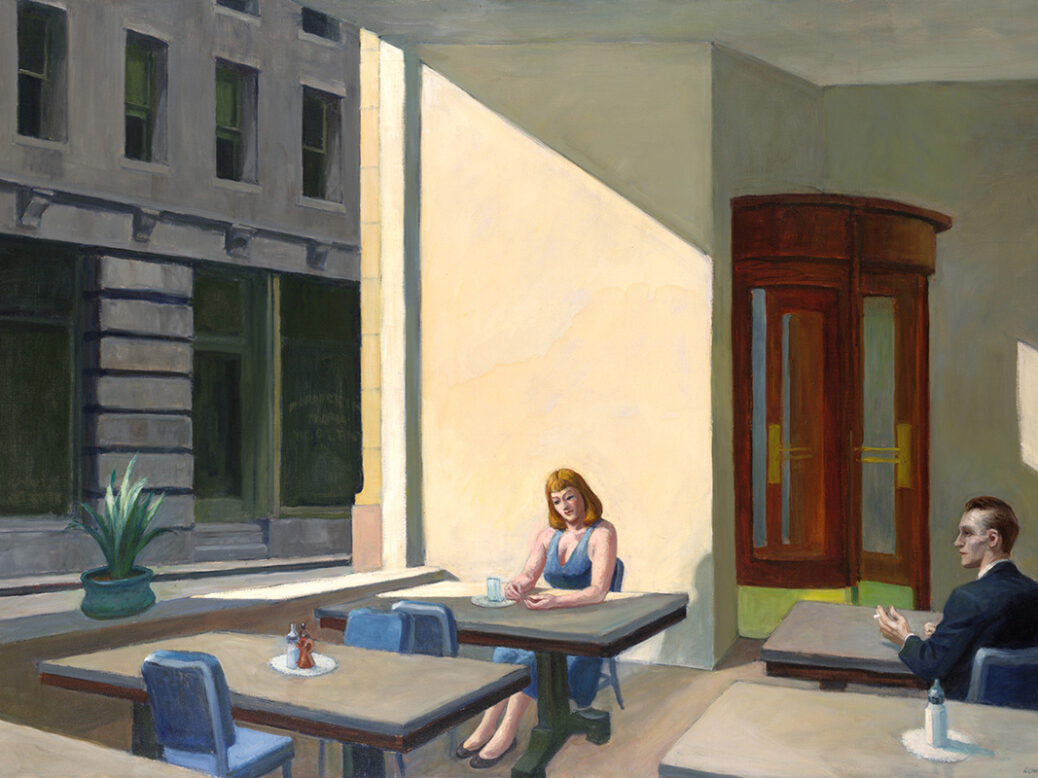
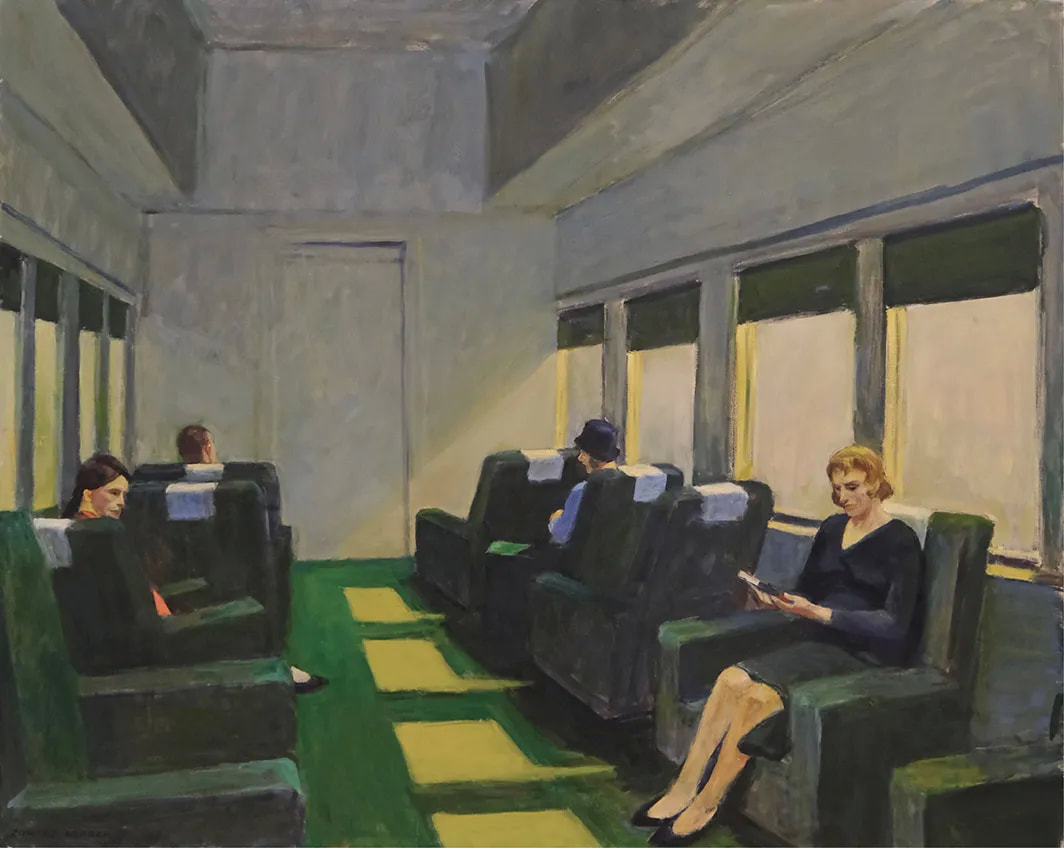
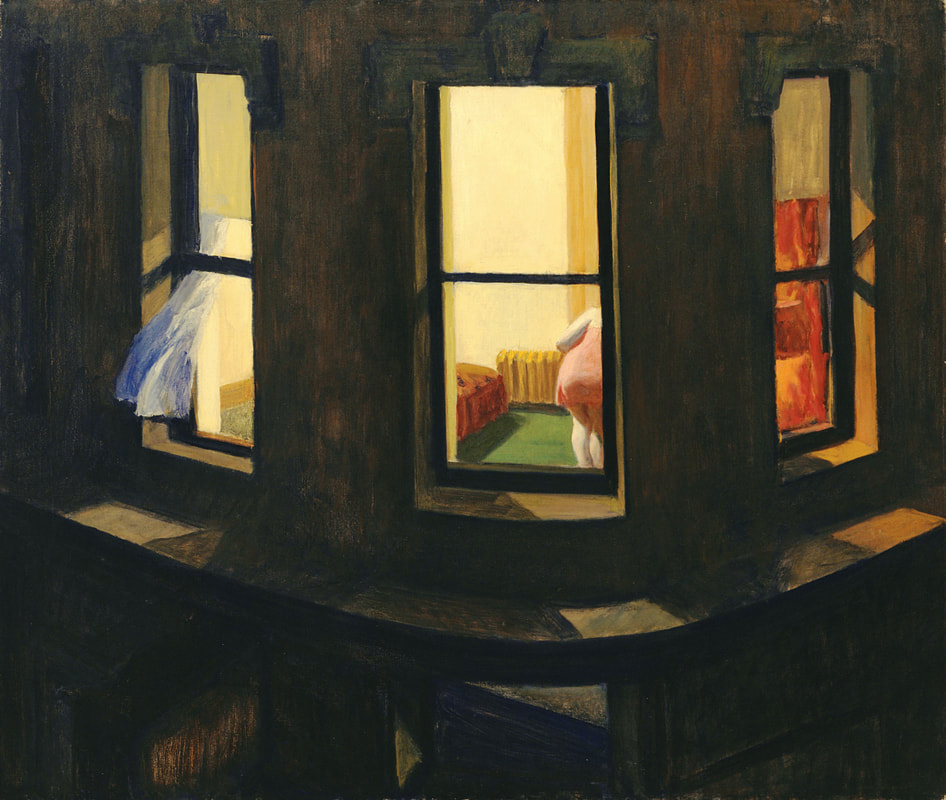
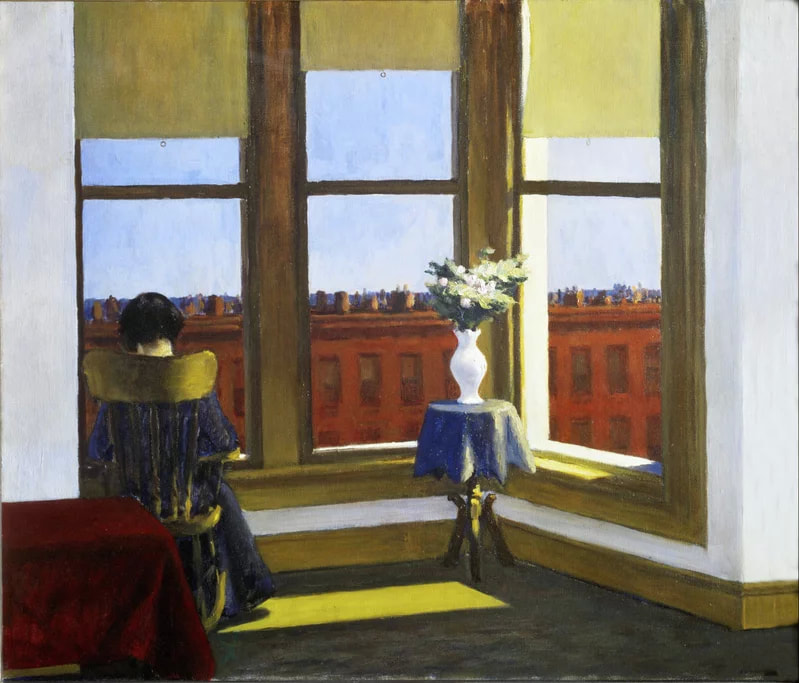
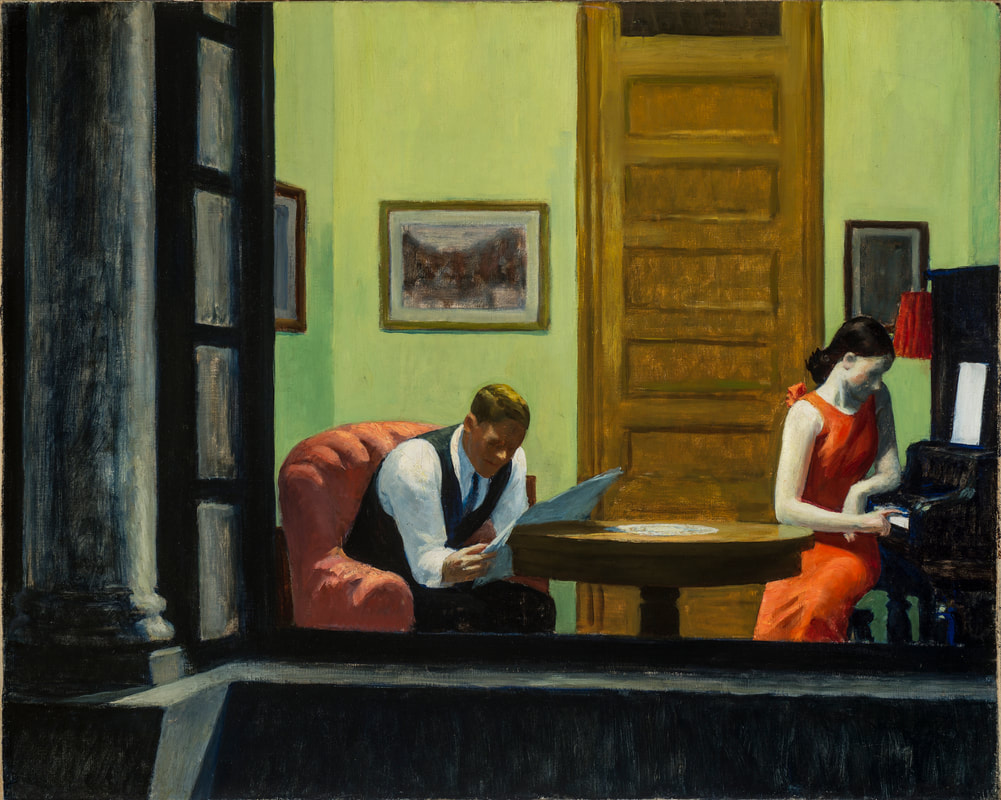
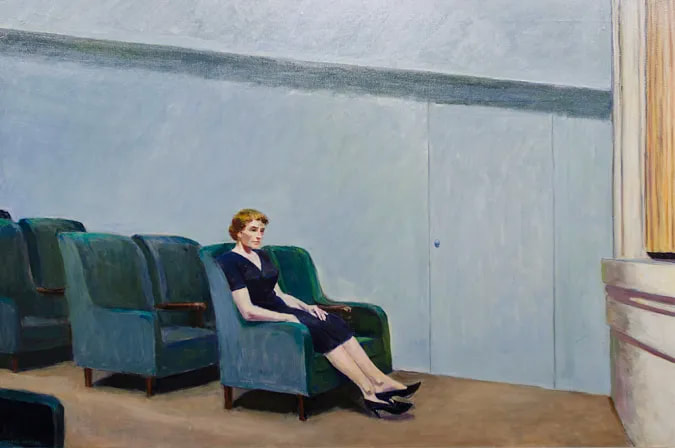
Edward Hopper, a luminary of 20th-century American art, left an indelible mark with his evocative paintings that captured the isolation and contemplation inherent in modern life. In this exploration, we delve into the influences that shaped Hopper's distinctive style and unravel the mysteries of the paints he used to bring his contemplative scenes to life.

Edward Hopper biography
Picture
Edward Hopper's artistic journey began in the vibrant atmosphere of the New York School of Art, where he honed his skills under the guidance of influential teachers such as Robert Henri. His early experiences and education laid the foundation for the unique artistic sensibilities that would later characterize his work. Delving into this formative period allows us to understand the seeds that would grow into Hopper's masterful depictions of solitude and light.

The Intersection of Light and Solitude

Hopper's fascination with light goes beyond mere illumination; it becomes a crucial element in defining the mood of his paintings. In this section, we explore how Hopper skillfully wielded light to create atmospheric effects that evoke contemplation and introspection. The recurring theme of solitude in his work adds a poignant depth, inviting viewers to reflect on the human experience within the vastness of modernity.

A Glimpse into Hopper's Studio

Picture
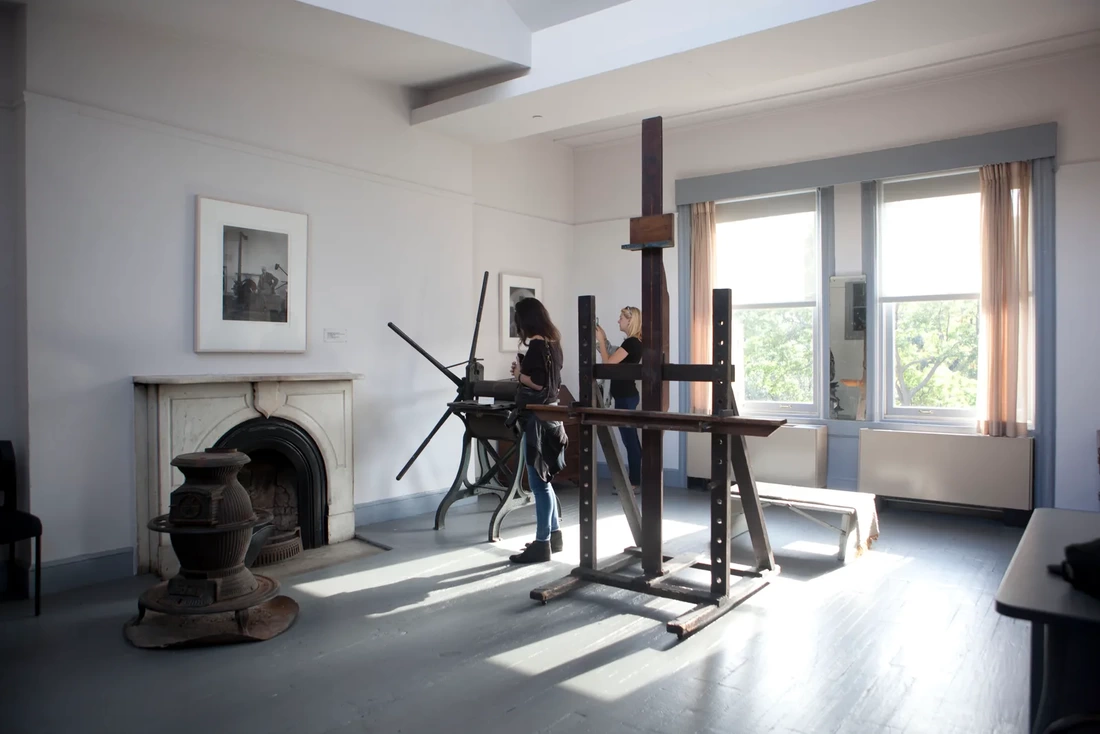
To understand the artist behind the canvas, we peer into Hopper's studio practices and the tools of his trade. Examining his meticulous approach to composition and lighting provides insights into his creative process. The studio, as a sacred space, becomes a testament to Hopper's commitment to capturing the essence of solitude and light in each carefully crafted painting.
Hopper's studio, located at 3 Washington Square North, played a significant role in shaping his artistic vision and served as a sanctuary where he created many of his iconic works.
Location and Setting:
  • Address: 3 Washington Square North, Greenwich Village, New York City.
  • Atmosphere: Greenwich Village, known for its bohemian and artistic vibe, provided Hopper with an inspiring environment that influenced his artistry.
  • Historic Context: Hopper's studio was situated in a neighborhood that housed many artists, writers, and intellectuals during the early to mid-20th century, contributing to its vibrant cultural scene.
Significance:
  • Creative Sanctuary: Hopper's studio served as a private retreat where he could immerse himself in his work away from distractions.
  • Inspiration: The atmosphere of Greenwich Village and the studio's proximity to various urban landscapes provided Hopper with endless inspiration for his paintings, which often depicted scenes of urban life and solitude.
  • Work Environment: The studio's layout and lighting were carefully designed to facilitate Hopper's creative process, with large windows allowing ample natural light to illuminate his canvases.
Influence on Hopper's Art:
  • Urban Landscapes: Hopper's observations of the cityscape from his studio windows inspired many of his paintings, which often depicted quiet, introspective moments amidst the hustle and bustle of urban life.
  • Interiors and Light: The play of light and shadow within the studio space influenced Hopper's masterful use of light in his paintings, creating evocative atmospheres and conveying psychological depth.
  • Isolation and Alienation: The solitude of the studio environment mirrored the themes of isolation and alienation present in much of Hopper's work, reflecting the complex emotions of modern life.
Legacy:
  • Artistic Heritage: Hopper's studio in Greenwich Village remains an important site of artistic heritage, attracting visitors and scholars interested in exploring the life and work of this influential American artist.
  • Preservation Efforts: Efforts have been made to preserve and commemorate Hopper's studio as a cultural landmark, ensuring that future generations can appreciate its significance in the history of American art.
Edward Hopper's studio in Greenwich Village stands as a testament to the transformative power of creative spaces and the profound influence of urban environments on artistic expression. Through his paintings, Hopper captured the essence of modern American life, leaving behind a legacy that continues to inspire and resonate with audiences around the world.
Picture
Picture

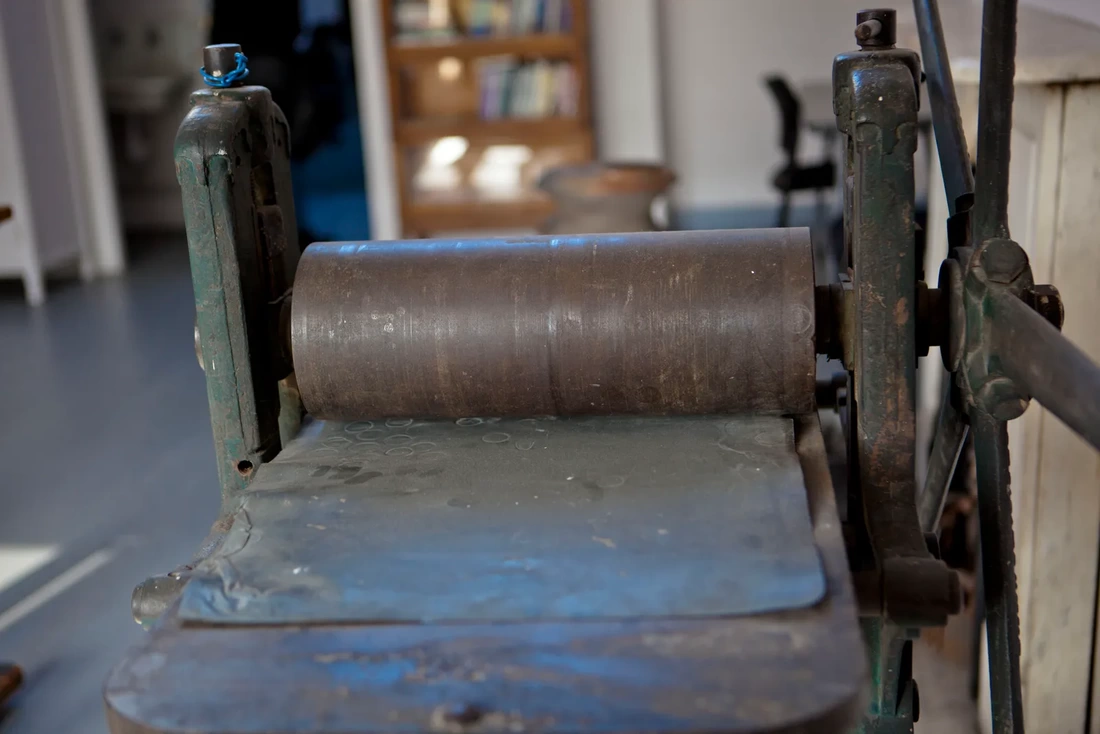
Hopper's manual printing press.  © Odette Veneziano

Hopper's main workspace, flooded with natural light.  Photo: Odette Veneziano / Courtesy of NYU


​British Realism and Urban Melancholy

Hopper's connection to the British Realist movement significantly influenced his choice of subject matter. Exploring urban landscapes and the melancholic undertones in many of his iconic paintings, we unravel the threads that connect Hopper to the broader art historical context. His ability to infuse a sense of isolation and quiet despair into scenes of everyday life sets him apart as a master observer of the human condition.

Influences Beyond Canvas: Film Noir and Literature

Hopper's art transcends the boundaries of painting as he draws inspiration from other art forms. We examine how the cinematography of film noir and the written works of literary figures such as Edgar Allan Poe and Sherwood Anderson influenced Hopper's visual narratives. These cross-disciplinary influences deepen our appreciation of the complexity embedded in his canvases.

​The Palette of Edward Hopper: The Colours of Isolation

A closer look at Hopper's palette reveals the deliberate choices he made to achieve his signature atmospheric effects. From subdued colours to stark contrasts, Hopper's use of the painter's tools is a masterclass in conveying mood and emotion. This section explores the technical aspects of his artistry, offering insights into the alchemy that transforms pigments into the evocative scenes that define his oeuvre.

Iconic Works: Nighthawks and Beyond

Picture
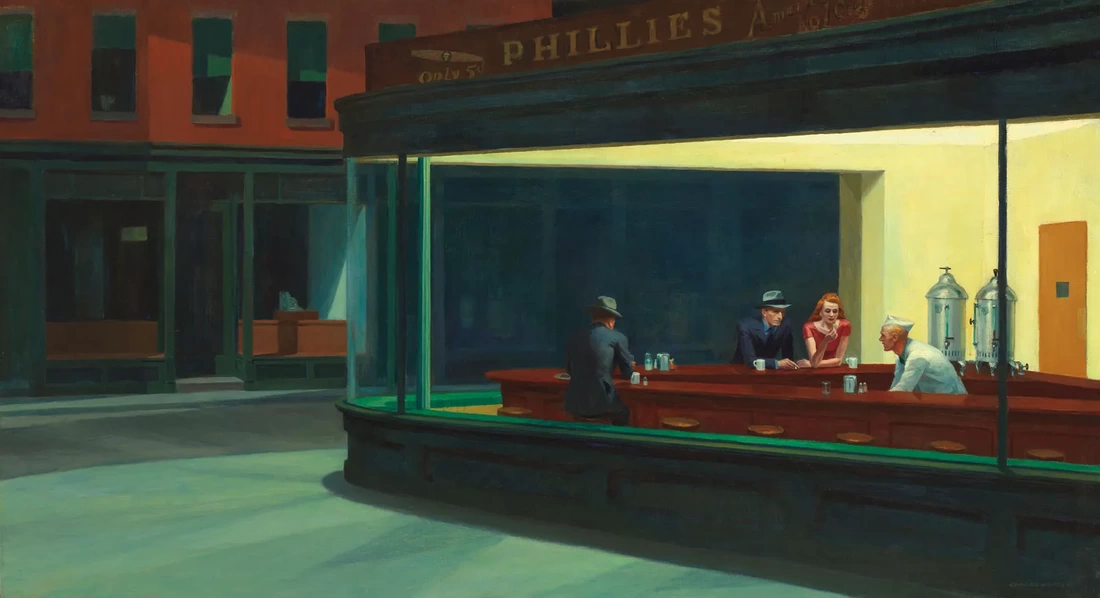
Nighthawks" is one of Edward Hopper's most famous paintings, completed in 1942. It depicts a late-night scene at a diner with three customers and a waiter behind the counter. The diner is brightly lit, contrasting with the dark exterior and the deserted streets outside. The customers, along with the waiter, appear isolated and lost in their thoughts, creating a sense of loneliness and alienation.
The painting has been interpreted in various ways, and its meaning is often open to interpretation. Some key interpretations and themes associated with "Nighthawks" include:
  1. Urban Alienation: The painting captures the mood of urban isolation and disconnection prevalent in modern city life. The customers seem lost in their own thoughts, suggesting a sense of loneliness and anonymity in the bustling city.
  2. Existential Isolation: "Nighthawks" reflects existential themes of alienation and the human condition. The characters appear trapped in their own existential angst, unable to connect with each other despite their physical proximity.
  3. American Melancholy: The painting has been seen as a reflection of the American psyche during the Great Depression and World War II era. The empty streets and somber atmosphere convey a sense of melancholy and uncertainty characteristic of the time.
  4. Ambiguity and Mystery: Hopper's use of light and shadow, along with the lack of narrative context, adds to the painting's sense of ambiguity and mystery. Viewers are left to speculate about the characters' backstories and the reasons behind their nocturnal visit to the diner.
  5. Cinematic Influence: Hopper's compositions often drew inspiration from cinematic techniques, and "Nighthawks" has been compared to film noir for its dramatic lighting and sense of atmosphere. The painting evokes the mood of a scene from a film, inviting viewers to imagine their own narrative interpretations.
Overall, "Nighthawks" is celebrated for its evocative depiction of urban life and its ability to capture universal themes of isolation, longing, and the human condition. It remains one of Edward Hopper's most iconic and enduring works, continuing to fascinate and inspire viewers around the world.
Edward Hopper's art invites us into a world of introspection, where solitude and light converge to create timeless scenes that continue to captivate and provoke thought. Through an exploration of his influences and the unique palette he wielded, we gain a deeper understanding of the artist behind the canvas. As we immerse ourselves in the enigmatic narratives of Hopper's paintings, we celebrate the enduring legacy of a masterful artist.
Picture
1 Comment

Louise Rayner: Capturing the Victorian Tapestry Through Urban Brushstrokes

1/25/2024

0 Comments

 
Picture
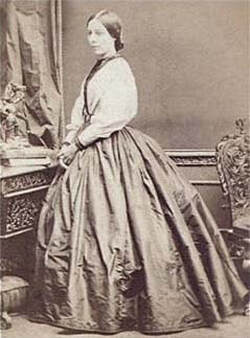
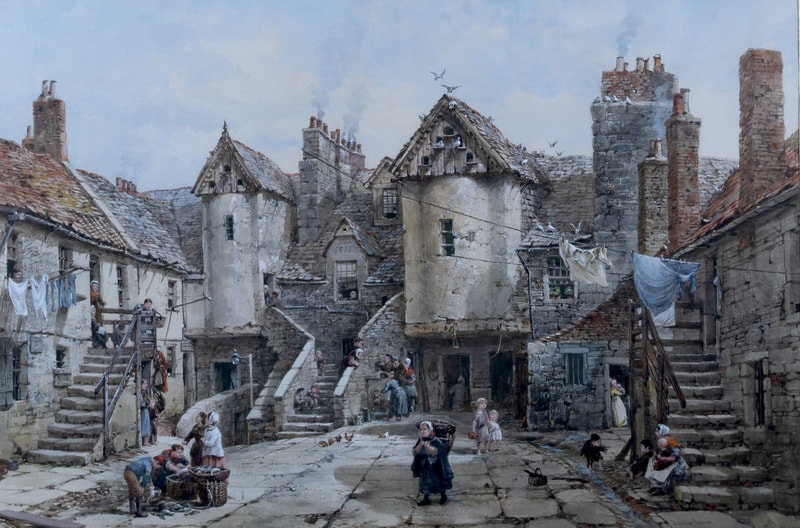
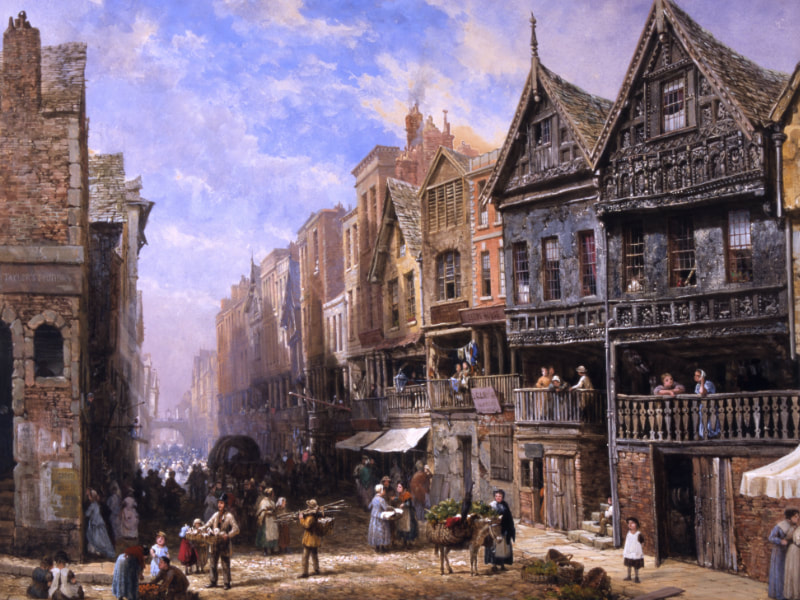
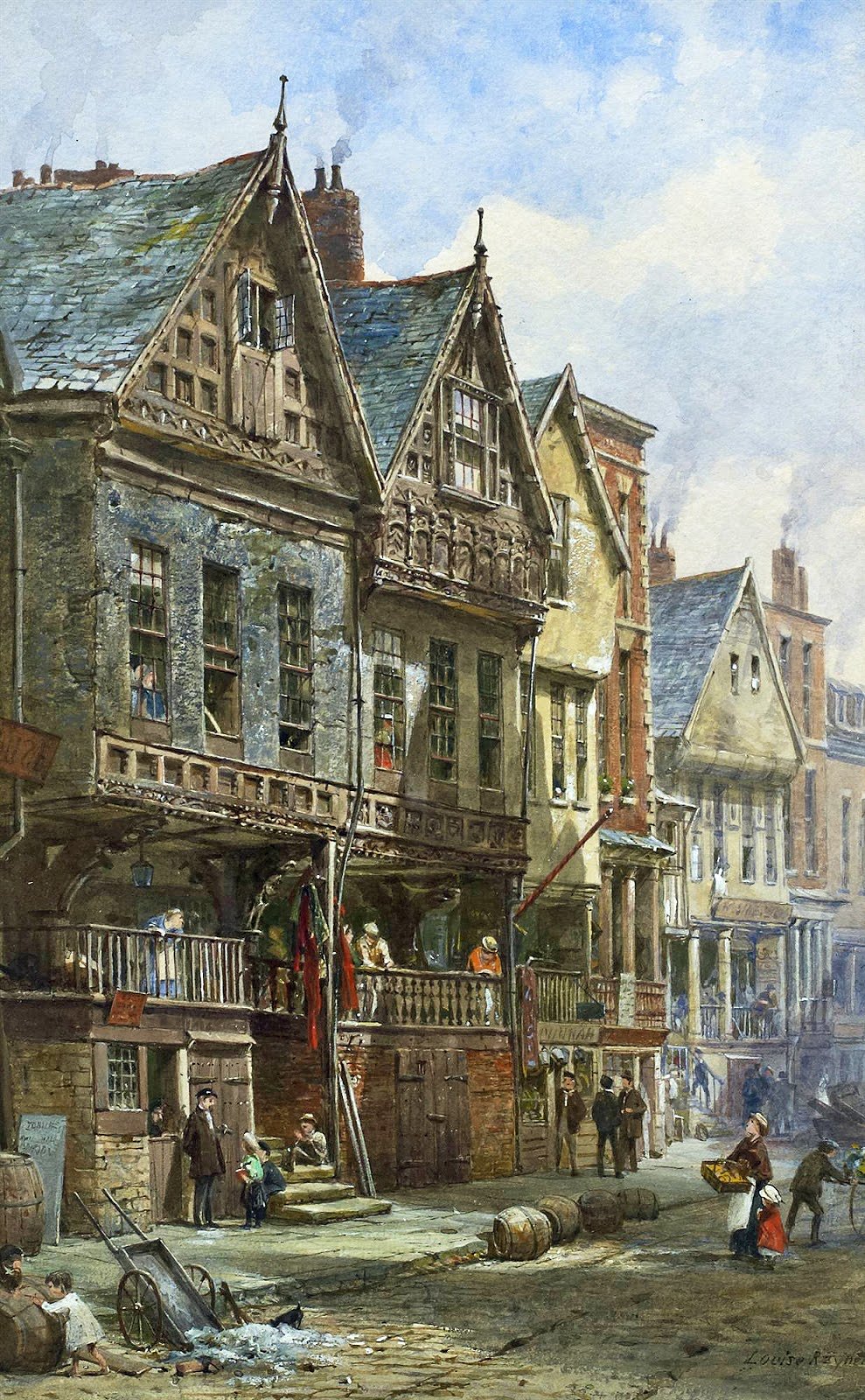
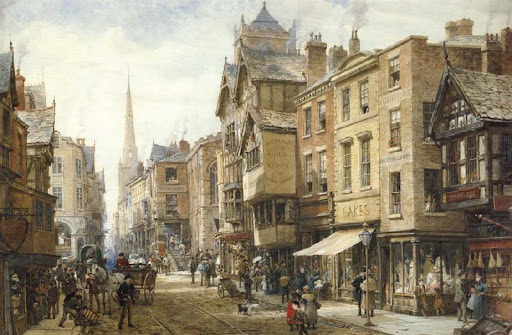
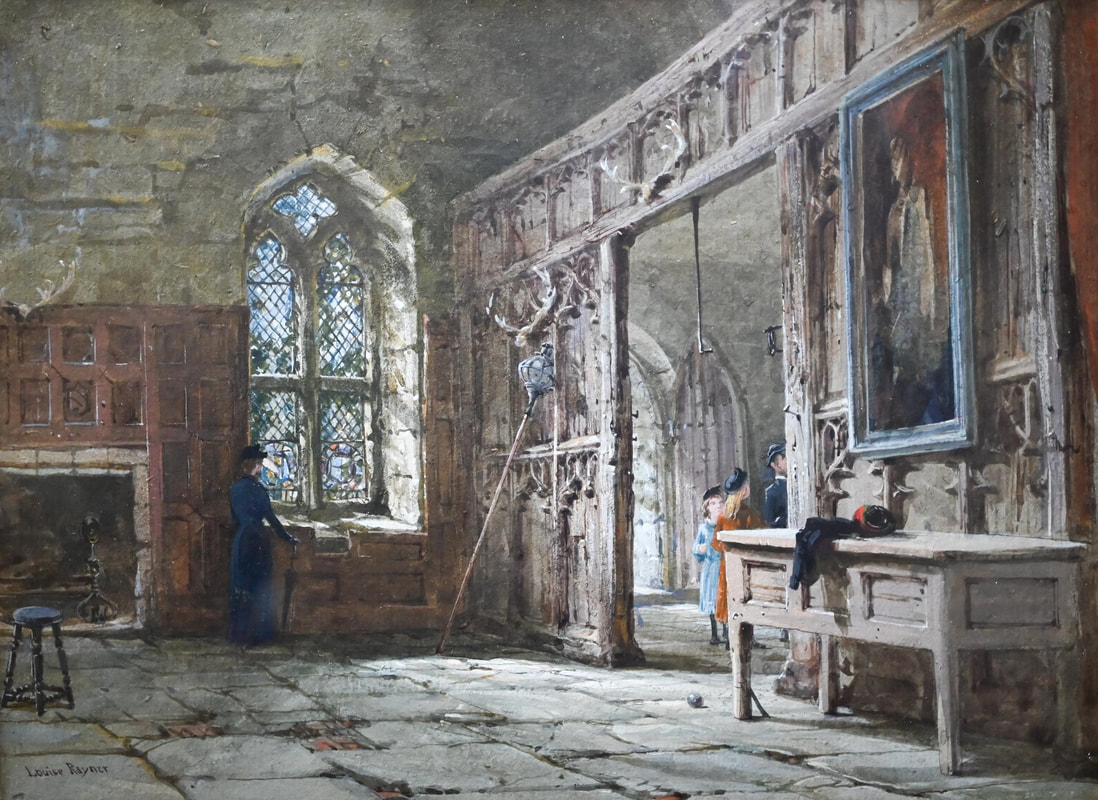
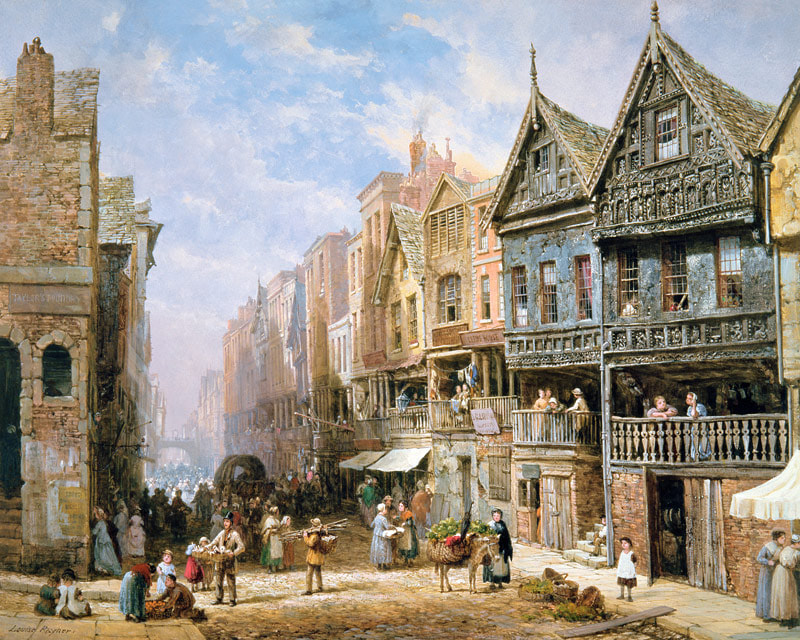
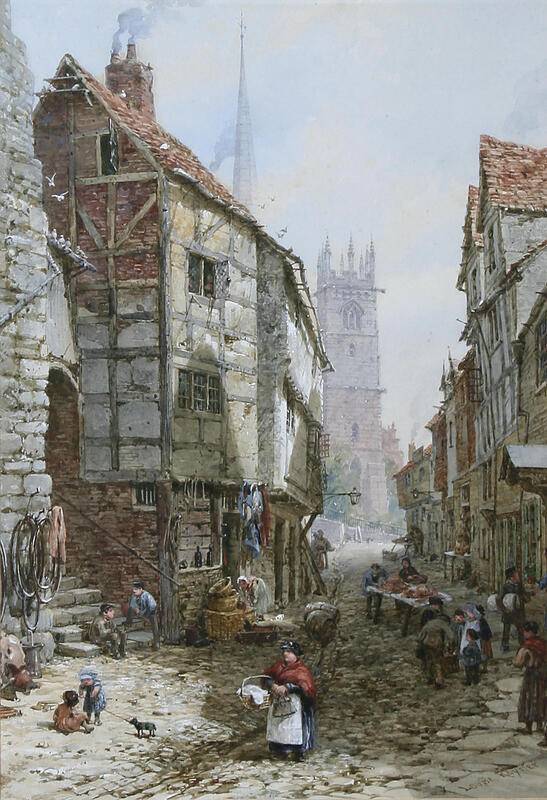
Louise Rayner, a prominent figure in Victorian art, painted a vivid tapestry of urban life through her meticulous brushstrokes. Her unique perspective and attention to detail were shaped by the influences of her artistic predecessors. In this exploration, we'll unravel the artistic lineage that paved the way for Rayner's distinctive style, examining the mentors and artistic trends that inspired her portrayal of Victorian streets and landmarks.

​The Victorian Panorama: Canaletto's Influence

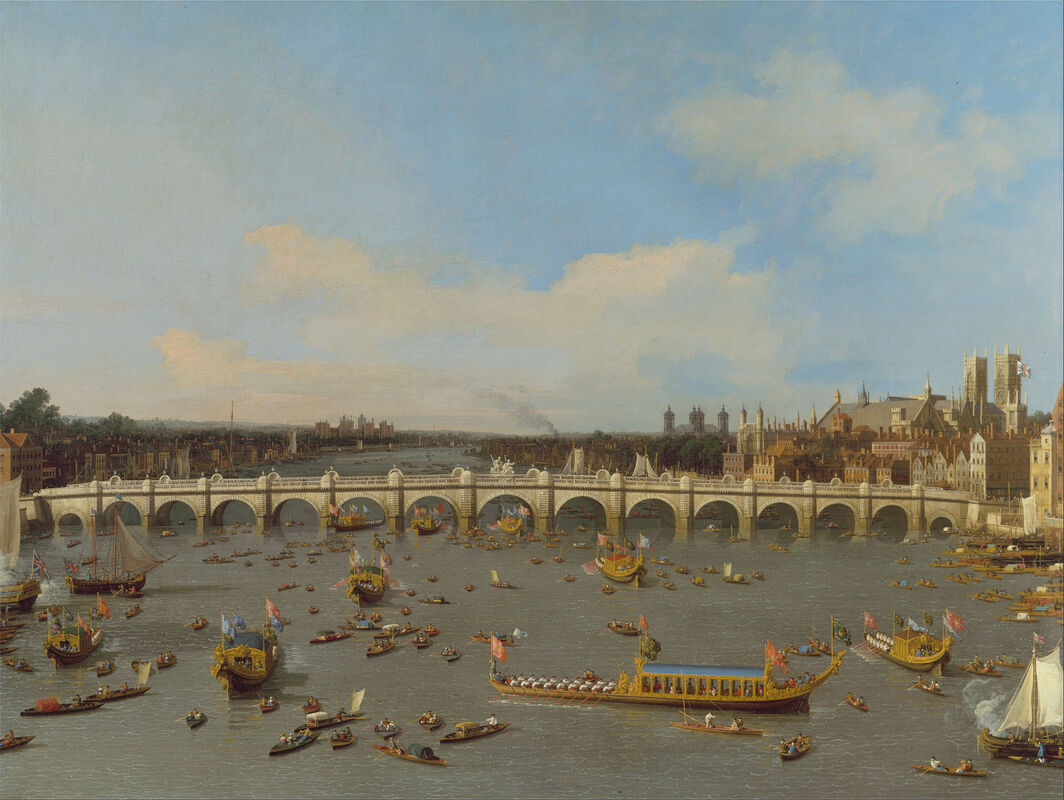
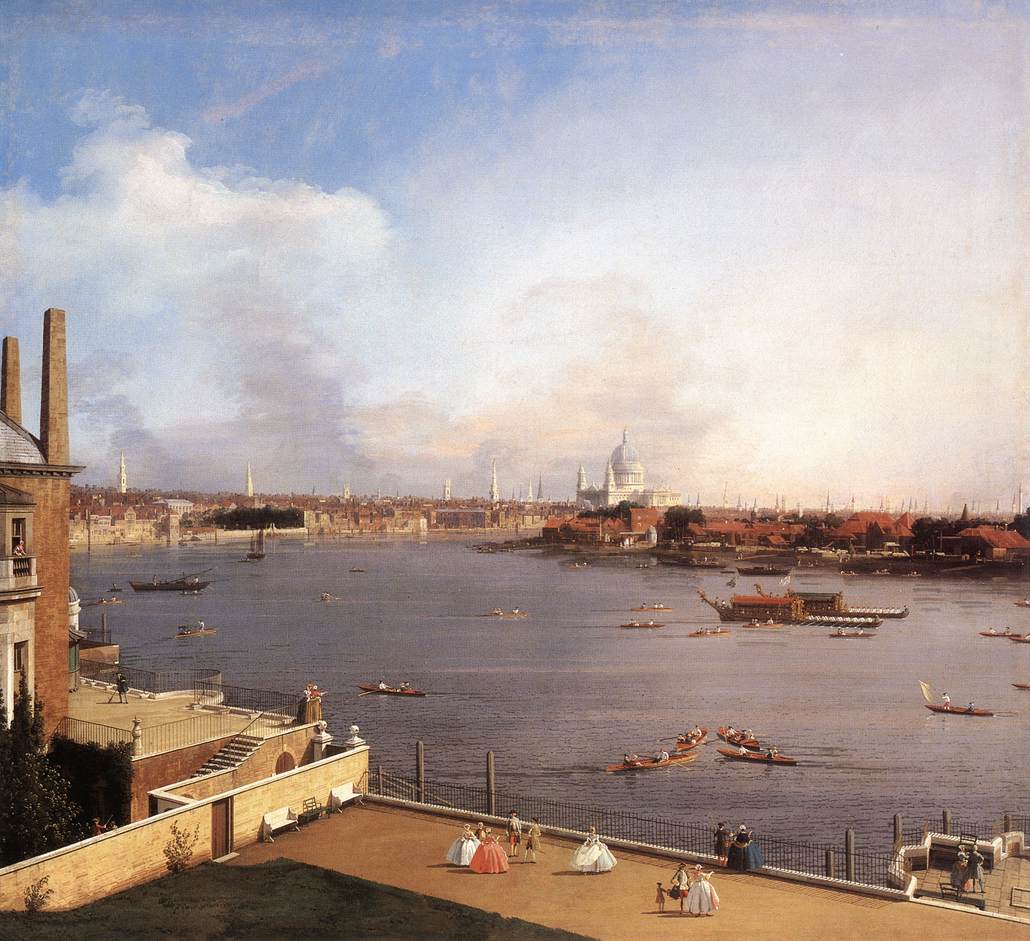
Louise Rayner drew inspiration from the 18th-century Venetian painter Canaletto, known for his detailed cityscapes. Rayner adopted Canaletto's precision and love for architectural details, contributing to her rich depictions of Victorian urban life. Canaletto's influence is evident in Rayner's ability to capture the character of bustling streets and architectural landmarks.

Turner's Luminous Palette: The Romantic Impression

Joseph Mallord William Turner, a master of Romanticism, influenced Rayner's approach to light and atmosphere. Turner's use of luminous colours and his ability to convey the mood of a scene left an indelible mark on Rayner's work. This influence is particularly apparent in Rayner's paintings of landscapes and atmospheric conditions, reflecting the Romantic ideals she admired.
Art Books on Amazon
Picture

​The Watercolour Tradition: Cotman's Legacy

Rayner's preferred medium was watercolour, a technique she mastered through the influence of John Sell Cotman, a leading figure in the English watercolour tradition. Cotman's emphasis on the fluidity and transparency of watercolours greatly influenced Rayner's ability to capture the subtleties of light and colour in her urban scenes.
Picture

Architectural Realism: The Legacy of the Cana Family

​As a Victorian artist with a penchant for architectural details, Rayner's work reflects the influence of the Cana family, specifically her contemporary Antonio Canaletto. The Cana family's focus on precise architectural representation resonated with Rayner's own dedication to capturing the intricate details of buildings and cityscapes.
Picture

The Palette of Rayner: Watercolours and Victorian Charm

In line with the watercolour traditions she inherited, Louise Rayner predominantly used watercolours to bring Victorian scenes to life. Her palette, influenced by the luminosity of Turner and the precision of Cotman, consisted of soft hues and delicate tones that enhanced the charm and character of the urban landscapes she painted.
Louise Rayner's contribution to Victorian art was a unique blend of influences from earlier masters and her contemporaries. From Canaletto's architectural precision to Turner's atmospheric brilliance, each predecessor played a role in shaping Rayner's distinctive style. As we admire the Victorian tapestry woven through her urban brushstrokes, let us appreciate the artistic lineage that guided Louise Rayner's journey through the streets and landmarks of a bygone era.
0 Comments

Frida Kahlo: Unveiling the Canvas of Emotion

1/24/2024

0 Comments

 
In the vivid tapestry of 20th-century art, few names shine as brightly as Frida Kahlo. Her life, marked by pain and passion, found expression on canvases that continue to resonate with audiences worldwide. Join us on a journey into the tumultuous yet brilliant world of Frida Kahlo, as we unravel the threads that shaped her unique style and explore the profound impact of her work on the art world.

The Roots of Resilience: Frida's Early Years

Picture
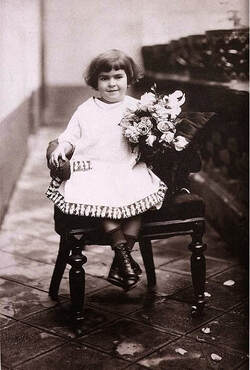
​Frida Kahlo's early years were marked by a combination of cultural richness, personal challenges, and an innate artistic spirit that would later define her as one of the most iconic artists of the 20th century. Born on July 6, 1907, in Coyoacán, a suburb of Mexico City, Magdalena Carmen Frida Kahlo y Calderón was the daughter of Guillermo Kahlo, a German photographer, and Matilde Calderón y González, of Mexican and Spanish descent.
Growing up in the midst of Mexico's vibrant culture, Frida was exposed to the country's folk art, traditions, and revolutionary ideas that would deeply influence her work. Her childhood home, known as the "Blue House" (La Casa Azul), was a centre for political and artistic gatherings, providing Frida with a unique environment that nurtured her creativity.
At the age of six, Frida contracted polio, which left her right leg visibly thinner than the other. Despite this physical setback, she developed a strong-willed and rebellious nature that would later manifest in her art and personal life.
One of the most significant events in Frida's life occurred in 1925 when she was just 18 years old. A near-fatal bus accident left her with severe injuries, including a fractured spine, collarbone, ribs, and pelvis. During her lengthy and painful convalescence, she turned to painting as a form of therapy and self-expression. Bedridden and immobilized, Frida began to explore her own identity and emotions through art, creating a series of introspective self-portraits that would become a hallmark of her oeuvre.
Frida's choice of subjects often reflected her physical and emotional struggles. The bus accident not only left her with lasting physical pain but also contributed to her emotional turmoil. She depicted her physical suffering, as well as her complex relationship with her own body, in many of her paintings.
This period of convalescence marked the beginning of Frida Kahlo's artistic journey. Despite the challenges she faced, she used her pain and experiences to forge a unique artistic voice. The vibrant colours, symbolic imagery, and surreal elements in her paintings became a reflection of her inner world and a powerful means of communication.
Frida's early years, filled with cultural immersion, physical adversity, and the transformative power of art, laid the foundation for the extraordinary body of work that would follow. Her resilience, coupled with a deep connection to her Mexican heritage, allowed her to create art that transcended personal suffering and spoke to universal themes of identity, pain, and the human experience.

The Art of Self-Expression: Frida's Unique Style

​Frida Kahlo's art is a testament to the raw power of self-expression, each stroke of her brush serving as a mirror reflecting the depths of her soul. Her distinctive style, characterized by vivid colours, symbolic imagery, and unfiltered emotions, sets her apart as one of the most iconic artists of the 20th century.
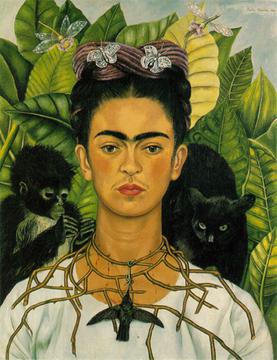
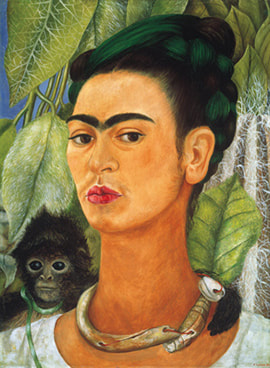
At the heart of Kahlo's artistic exploration are her self-portraits. These introspective works go beyond mere depictions of her physical appearance; they delve into the intricacies of her identity, emotions, and the profound struggles she faced. One cannot escape the intensity of her gaze in paintings like "Self-Portrait with Thorn Necklace and Hummingbird," where the piercing eyes speak volumes about her pain and resilience.
Vivid colours saturate Kahlo's canvases, contributing to the visual impact of her work. Her palette is a reflection of the vibrant Mexican culture that surrounded her. From the lush greens of nature to the fiery reds and yellows that evoke the spirit of Mexican folklore, every hue carries deeper meaning in the narrative of her life. Frida's use of colour is not arbitrary; it is a deliberate and powerful choice to convey the emotional spectrum that defines her existence.
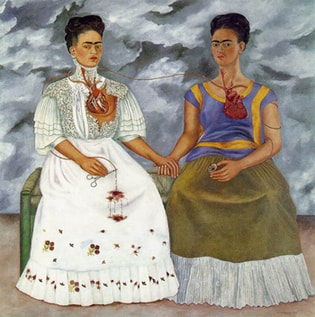
Symbolic imagery is another hallmark of Kahlo's art. Whether it's the Tehuana dresses symbolizing her connection to indigenous Mexican culture or the poignant use of animals like monkeys and deer, each element in her paintings holds significance. In "The Two Fridas," for example, the dual self-portrait reflects her complex identity and the pain of her tumultuous marriage to Diego Rivera. These symbols serve as a visual language through which Kahlo fearlessly communicates her innermost thoughts and struggles.
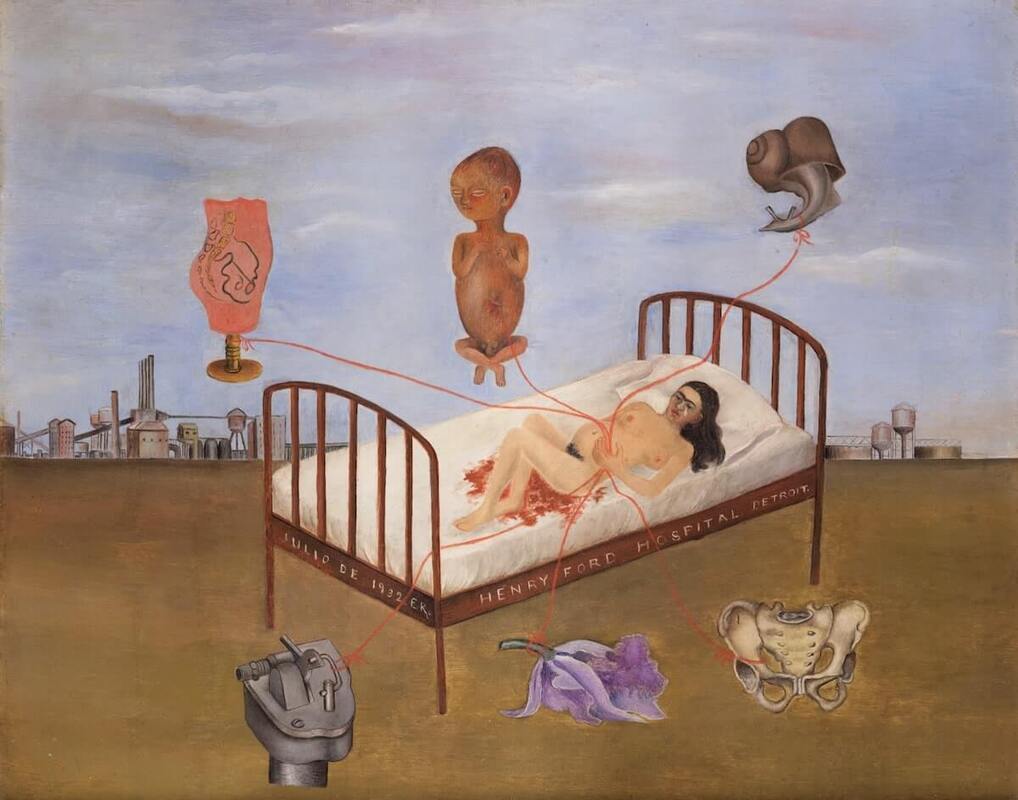
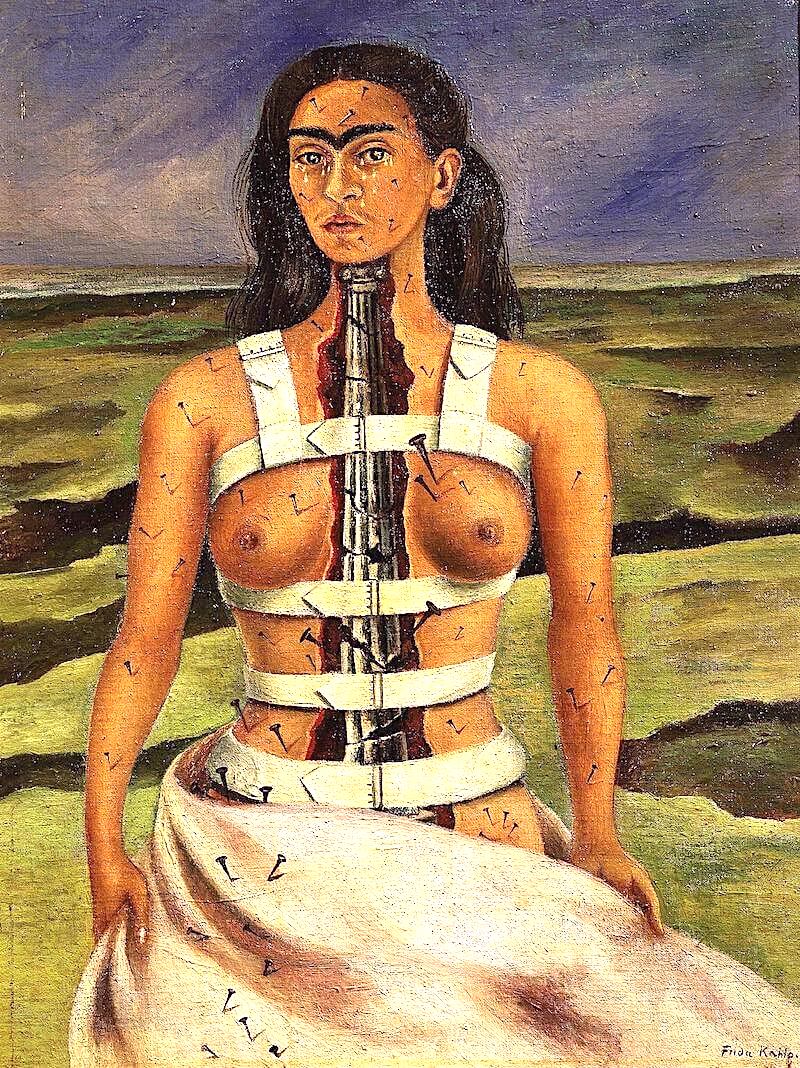
Gender, a recurring theme in Kahlo's work, is tackled with unapologetic candour. In paintings such as "Henry Ford Hospital" and "The Broken Column," she lays bare the physical and emotional toll of her miscarriages and the impact on her identity as a woman. Frida defies societal norms, presenting a narrative of strength and vulnerability intertwined.
Beyond individual identity, Kahlo's work is deeply rooted in her Mexican cultural heritage. The celebration of indigenous traditions, the reverence for nature, and the exploration of Mesoamerican symbolism all find a place on her canvases. Through her art, Frida becomes a cultural ambassador, using her unique perspective to showcase the richness of Mexican history and folklore.
In conclusion, Frida Kahlo's portraits are windows into the complex and multifaceted landscape of her soul. Her fearless approach to addressing identity, gender, and Mexican cultural heritage makes her art a timeless exploration of the human experience. Through vivid colours, symbolic imagery, and unfiltered emotions, Kahlo invites us to confront our own vulnerabilities and celebrate the resilience of the human spirit.

Folklore and Symbolism: Mexican Identity in Kahlo's Art

Picture
Picture
Picture
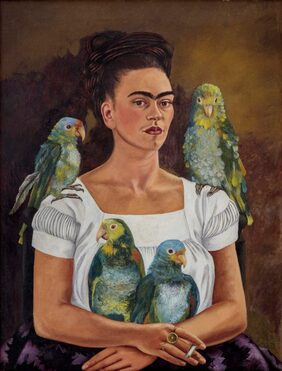
Frida Kahlo's commitment to preserving and celebrating Mexican identity is vividly expressed through the rich symbolism embedded in her paintings. Drawing inspiration from her Mexican roots, she masterfully incorporated folklore, mythology, and indigenous traditions into her art, creating a visual language that speaks to the essence of her cultural heritage.
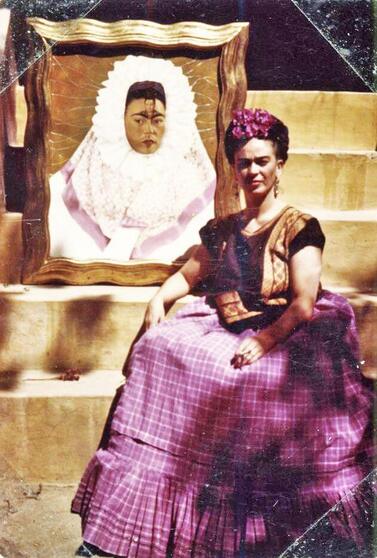
One of the recurring symbols in Kahlo's work is the Tehuana attire, traditional costumes associated with the Zapotec women of the Isthmus of Tehuantepec in Oaxaca. The vividly embroidered dresses and headdresses worn by Kahlo in many self-portraits, such as "Self-Portrait with Thorn Necklace and Hummingbird" and "The Two Fridas," represent her deep connection to Mexican indigenous culture. Through these garments, she not only paid homage to her heritage but also conveyed a sense of pride and defiance against societal norms that sought to suppress indigenous identity.
Animals play a significant role in Kahlo's symbolism, each creature carrying its own cultural and mythological significance. Monkeys, for instance, are frequently depicted in her paintings, symbolizing fertility and protective spirits in Mexican mythology. The presence of monkeys in works like "The Two Fridas" and "Self-Portrait with Monkey" reinforces the artist's connection to the ancient beliefs of her culture.
Kahlo's use of vibrant colors is another powerful element in her symbolic repertoire. The intense hues that saturate her canvases are inspired by the vibrant palette of Mexican folk art and reflect the vivacity of the country's landscapes. The deep blues, fiery reds, and earthy tones echo the richness of Mexican traditions, creating a visual feast that transports viewers to the heart of her cultural milieu.
Mexican religious iconography also finds its way into Kahlo's art. Symbols such as hearts pierced by arrows, often seen in Catholic imagery, appear in works like "The Broken Column" and "Henry Ford Hospital," where they take on deeply personal meanings related to her physical and emotional pain.
The dualism present in Mexican folklore, with its roots in Mesoamerican cosmology, is mirrored in Kahlo's work. In "The Two Fridas," she explores the concept of duality, depicting two versions of herself intertwined by veins that connect their hearts. This dual identity symbolizes the tension between her Mexican and European ancestry and the internal conflicts she grappled with throughout her life.
In conclusion, Frida Kahlo's art is a vibrant tapestry woven with the threads of Mexican folklore, mythology, and indigenous traditions. Through powerful symbols, she not only celebrated her cultural identity but also sought to preserve and communicate the rich tapestry of Mexico's heritage. Kahlo's commitment to embedding these symbols in her paintings transcends mere aesthetic choices; it becomes a profound expression of love and reverence for the diverse and resilient spirit of her homeland.

Frida's Studio: The Sanctuary of Creation

Picture
Frida Kahlo's creative process was deeply intertwined with her studio practices, tools, materials, and personal rituals, turning her workspace into a sanctuary where pain and passion converged, giving birth to extraordinary art.
Studio Practices:
Kahlo's studio, located in her home at the Blue House in Coyoacán, Mexico, was a space that reflected the vibrancy of her personality and the richness of her cultural surroundings. Filled with Mexican folk art, pre-Columbian artefacts, and an array of plants, the studio became a source of inspiration for her artistic endeavours.
Tools and Materials:
Kahlo's choice of tools and materials was deliberate and often symbolic. She painted primarily with a small, delicate brush that allowed for intricate details in her works. Her preferred medium was oil on masonite or canvas. Kahlo's palette consisted of vivid colours, drawing from traditional Mexican folk art and reflecting the vibrant hues of her homeland. The materials she used were not only a means of artistic expression but also a connection to her Mexican heritage.
Rituals:
Frida Kahlo had specific rituals associated with her artistic process. She often began her paintings on Fridays, a day named after the goddess Venus in Spanish, adding a touch of personal mysticism to her work. Additionally, she incorporated indigenous practices and beliefs into her creative process, seeking inspiration from Mexican folklore and spirituality.
Sanctuary of Pain and Passion:
Kahlo's studio served as a sanctuary where she confronted her physical and emotional pain. The artist's life was marked by health challenges and personal struggles, and her studio became the canvas on which she expressed her innermost feelings. The iconic mirror above her easel allowed her to paint her self-portraits with an unflinching gaze, capturing both her physical and emotional scars.
Extraordinary Art:
Within the walls of her studio, Kahlo produced an extraordinary body of work that delved into themes of identity, pain, and resilience. Her self-portraits, in particular, were a manifestation of her personal struggles and triumphs. The studio became a transformative space where her raw emotions were translated into visually arresting art.
In conclusion, Frida Kahlo's creative process was a holistic experience, encompassing her studio practices, tools, materials, and rituals. Her studio was not merely a workplace; it was a sanctuary where pain and passion converged, giving rise to the extraordinary art that continues to captivate audiences worldwide. Through her intentional choices and deeply personal approach, Kahlo's creative space became an extension of her identity and a testament to the profound connection between the artist and her craft.

0 Comments

    Author

    Gordon Bruce 

    Archives

    May 2024
    March 2024
    February 2024
    January 2024

    Categories

    All
    Canaletto
    Caravaggio
    Edward Hopper
    Frida Kahlo
    Grandma Moses
    John William Waterhouse
    Joseph Farquharson
    Louise Rayner
    Lowry
    Michelangelo
    Pieter De Hooch
    Predecessors Who Shaped Leonardo Da Vinci's Genius
    Renoir
    Salvador Dali
    RSS Feed

Support

CONTACT ME

© COPYRIGHT 2024. ALL RIGHTS RESERVED.
  • Home page
  • CONTACT ME
  • Cow paintings
  • Scottish Landscape paintings
  • Latest and upcoming paintings
  • Mary Poppins inspired paintings
  • folk art landscape paintings
  • Blog - Brushstrokes of History: Tales from the Lives of Master Artists
  • The Sound of Music Collection
  • Paintings of Venice
  • LINKS
    • Charles Dickens inspired art and gifts
    • Original paintings of London
    • How to paint like Bob Ross
    • PopUp painting
    • Second star to the right a Peter Pan inspired painting
    • Van Gogh and the Starry Night painting
    • Van Gogh: A Starry Night and Beyond
  • Seasonal paintings
  • Welcome to the Gallery of the Masters - Vermeer
  • Beautiful Seascapes On Canvas
  • Cityscape Paintings in Oil
  • Handcrafted Oil Portraits and Scenic Art