Van Gogh: A Starry Night and Beyond
Welcome to my exploration of Vincent van Gogh, a visionary artist whose turbulent life and extraordinary creations have left an indelible mark on the world of art. Join me on a journey through the vivid strokes of his existence, the unique style that defined him, and the masterpiece that continues to captivate hearts - "Starry Night."
|
**Van Gogh's Life:**
Vincent van Gogh was born on March 30, 1853, in Groot-Zundert, Netherlands. His artistic journey was as intense as the colours he later splashed onto his canvases. Van Gogh's early life was marked by various pursuits, from working as an art dealer to preaching in mining communities. His dedication to art truly blossomed in his late twenties, and the subsequent decade would see the creation of some of the world's most celebrated masterpieces. |
Click below to see my paintings inspired by Van Gogh
|
**Artistic Style:**
Van Gogh's style is characterized by bold colours, expressive brushstrokes, and a unique approach to capturing emotion. The artist was known for his ability to convey raw feelings through his work, often using swirling patterns and thick impasto techniques. His paintings are a testament to the turbulence of his own emotions, reflecting both joy and anguish.
Van Gogh's style is characterized by bold colours, expressive brushstrokes, and a unique approach to capturing emotion. The artist was known for his ability to convey raw feelings through his work, often using swirling patterns and thick impasto techniques. His paintings are a testament to the turbulence of his own emotions, reflecting both joy and anguish.
**Notable Works:**
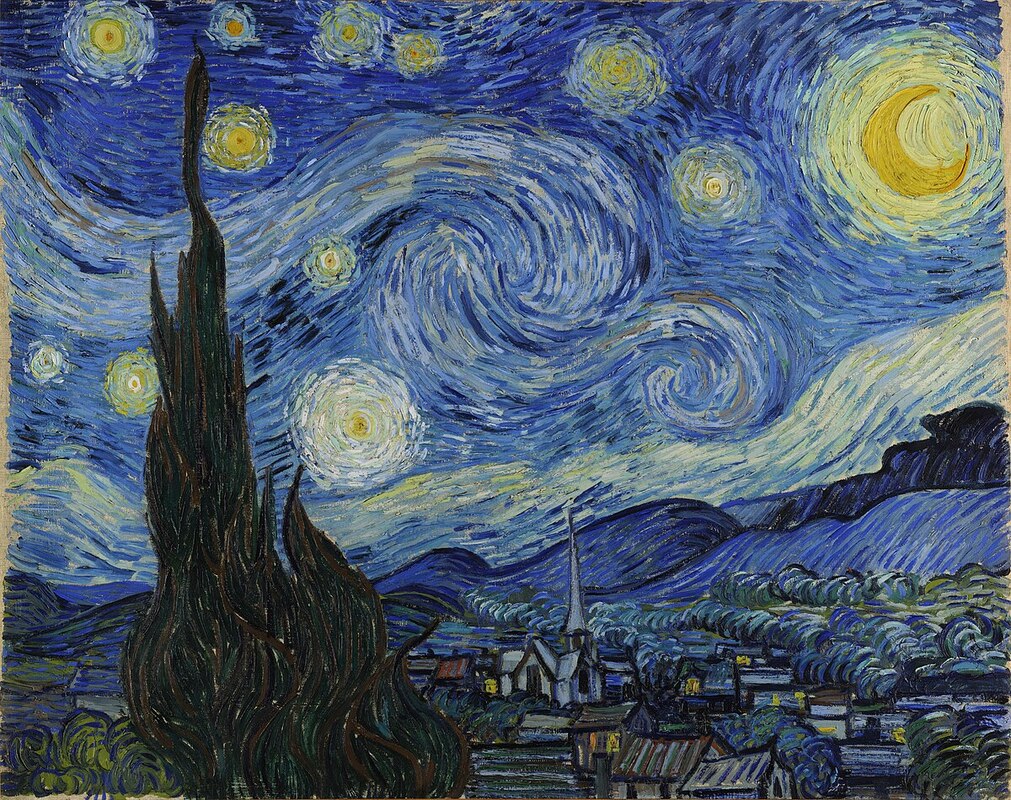
- **"The Starry Night" (1889):** A celestial dance of colours on a night sky, "Starry Night" is perhaps Van Gogh's most iconic work. The swirling stars and vibrant village below are painted with a mesmerizing energy that transcends the canvas. The painting has become synonymous with the artist's name and is considered a pinnacle of post-impressionist art.
- **"The Starry Night" (1889):** A celestial dance of colours on a night sky, "Starry Night" is perhaps Van Gogh's most iconic work. The swirling stars and vibrant village below are painted with a mesmerizing energy that transcends the canvas. The painting has become synonymous with the artist's name and is considered a pinnacle of post-impressionist art.
Vincent van Gogh's masterpiece, "Starry Night," painted in 1889, is a mesmerizing portrayal of the night sky. Executed with swirling, dynamic strokes, the painting captures the cosmic dance of stars above a tranquil village. The deep blues and vibrant yellows create a harmonious contrast, while the undulating lines evoke a sense of celestial movement. Beyond its visual brilliance, "Starry Night" reflects van Gogh's inner turbulence and profound connection to the mysteries of the universe, making it a timeless exploration of the cosmic and introspective.
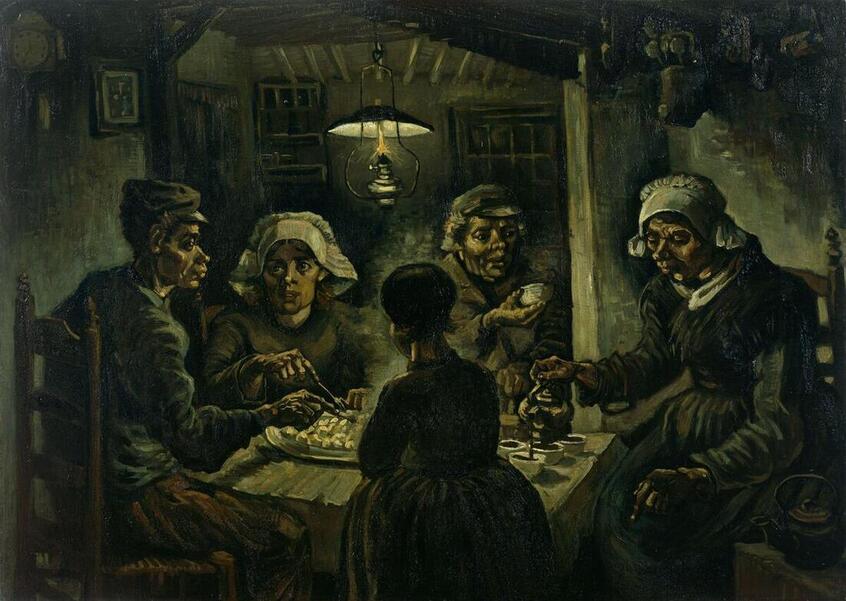
**"The Potato Eaters" (1885) :** The Potato Eaters" is one of Vincent van Gogh's early masterpieces, created in 1885. This painting represents a significant departure from the artist's later vibrant and post-impressionistic style. The scene captures a group of peasants sitting around a simple wooden table, sharing a meal of potatoes. Van Gogh's meticulous attention to detail and use of dark, earthy tones contribute to the overall sombre and raw atmosphere of the composition. The faces of the figures are heavily textured, reflecting the harshness of their lives and the physical toll of their labour. Van Gogh's choice of subject matter and his emphasis on the hardships faced by the rural working class convey a deep sense of empathy and social consciousness. "The Potato Eaters" stands as a poignant portrayal of the harsh realities of peasant life in the late 19th century Netherlands, showcasing Van Gogh's early commitment to capturing the human condition in his art.
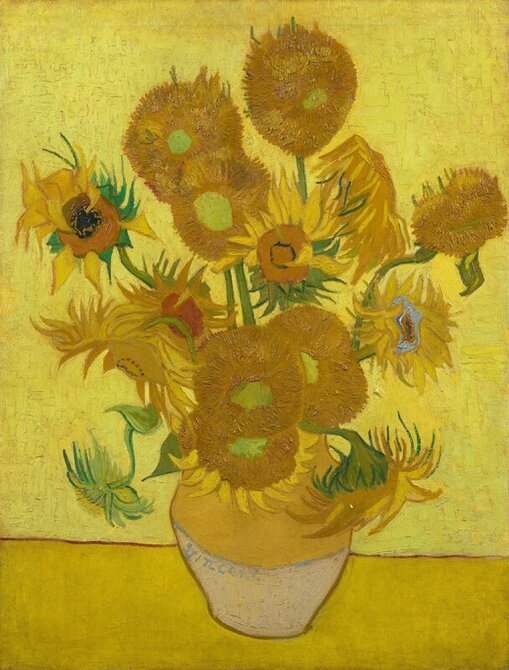
**"Sunflowers" (1888):** Van Gogh's series of sunflower paintings are a testament to his fascination with the vibrancy of nature. The bold use of yellows and oranges creates a striking visual impact.
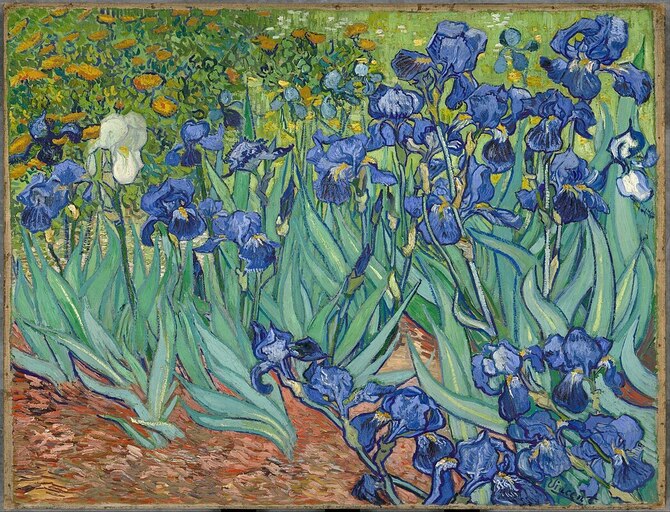
"Irises" (1889):** A composition of irises in various shades of blue and purple, this work showcases Van Gogh's fascination with colour and nature.
**Legacy and Impact:**
Despite facing mental health struggles and financial hardships, Van Gogh's legacy is enduring. His influence on modern art is immeasurable, with his works serving as a bridge between impressionism and expressionism. Van Gogh's ability to translate his emotions onto canvas has resonated through the ages, inspiring countless artists and art enthusiasts alike.
Despite facing mental health struggles and financial hardships, Van Gogh's legacy is enduring. His influence on modern art is immeasurable, with his works serving as a bridge between impressionism and expressionism. Van Gogh's ability to translate his emotions onto canvas has resonated through the ages, inspiring countless artists and art enthusiasts alike.
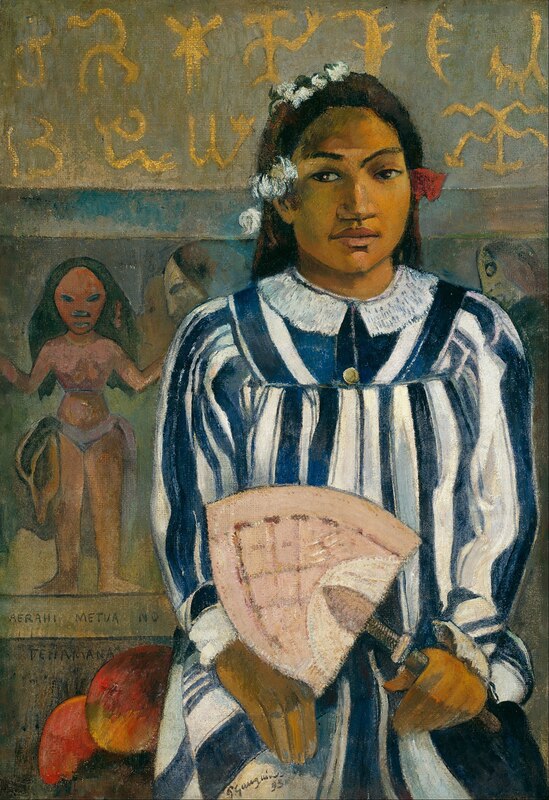
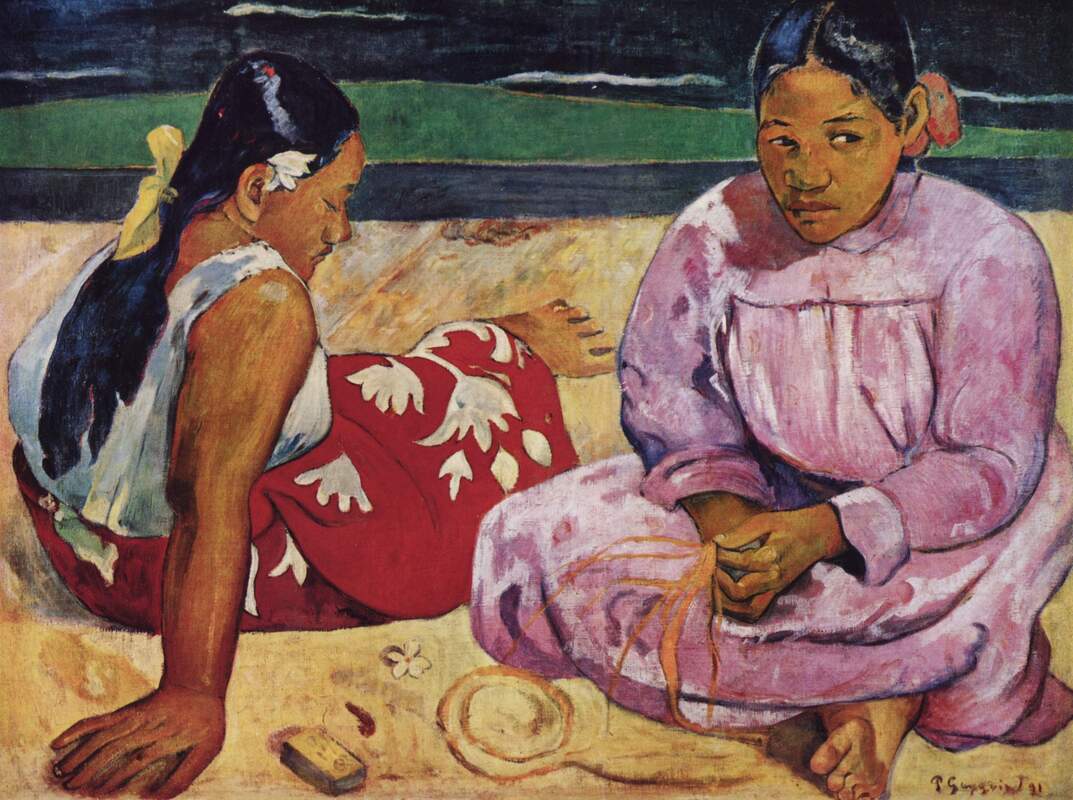
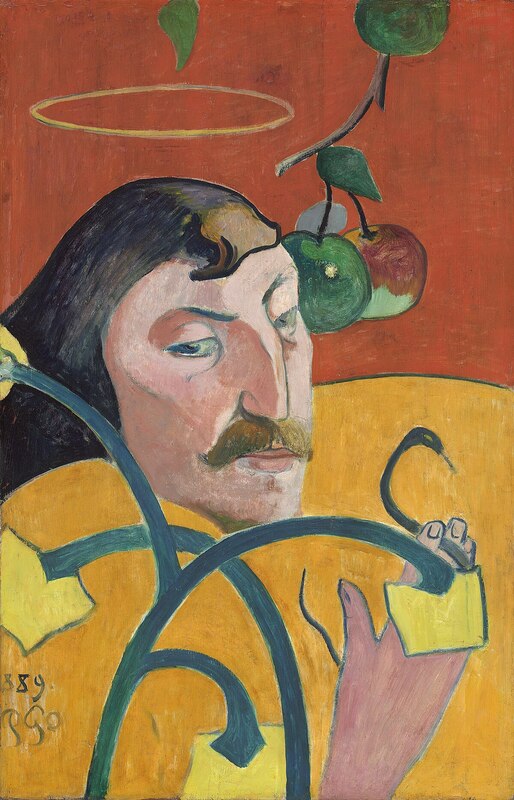
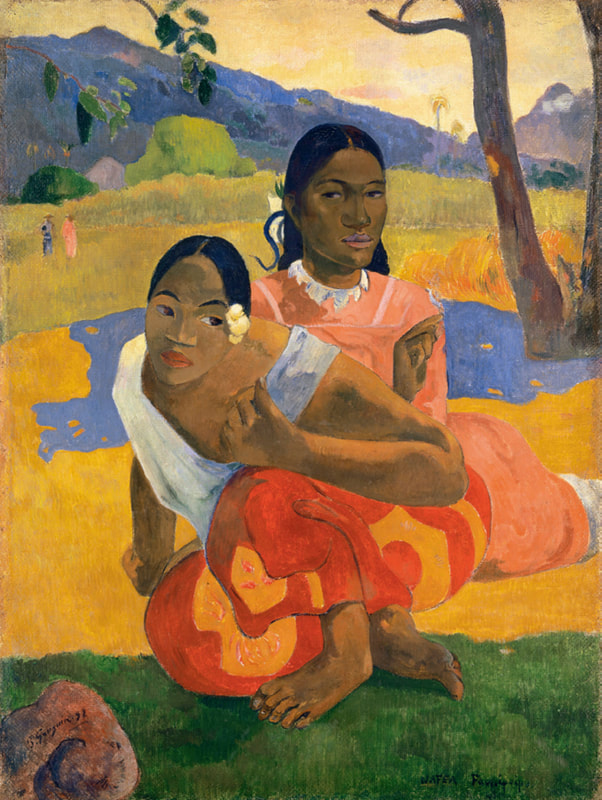
Paul Gauguin
Vincent van Gogh and Paul Gauguin were prominent Post-Impressionist artists, and while they shared some similarities, their works also diverged in notable ways.
Artists Comparison
| Aspect | Vincent van Gogh | Paul Gauguin |
|---|---|---|
| Style | Expressive and bold use of color, thick impasto brushwork. Known for emotional intensity. | Employed bold colors and simplified forms, often using flat areas of color. Symbolism in his works. |
| Subject Matter | Often depicted rural landscapes, portraits, and scenes of everyday life. | Explored exotic and primitive themes, inspired by his travels to places like Tahiti. Mythical and symbolic elements. |
| Technique | Intense use of texture and dynamic brushstrokes, creating a sense of movement and emotion. | Experimented with cloisonnism, a style involving bold outlines and areas of pure color. |
| Influence on Each Other | Briefly lived and worked together, influencing each other's techniques and styles. | Gauguin's departure from Impressionism encouraged Van Gogh's move towards more expressive forms. |
| Emotional Tone | Conveyed emotional turmoil, personal struggles, and a sense of isolation. | Often evoked a mystical or dreamlike quality, with an emphasis on symbolism and allegory. |
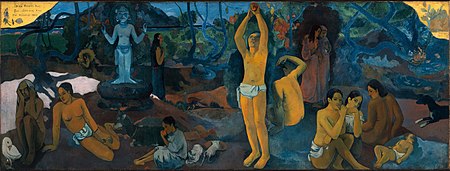
| Famous Works | "Starry Night," "Sunflowers," "The Bedroom." | "Where Do We Come From? What Are We? Where Are We Going?," "The Yellow Christ." |