Gordon Bruce art
  • Home page
  • CONTACT ME
  • Cow paintings
  • Scottish Landscape paintings
  • Latest and upcoming paintings
  • Mary Poppins inspired paintings
  • folk art landscape paintings
  • Blog - Brushstrokes of History: Tales from the Lives of Master Artists
  • The Sound of Music Collection
  • Paintings of Venice
  • LINKS
    • Charles Dickens inspired art and gifts
    • Original paintings of London
    • How to paint like Bob Ross
    • PopUp painting
    • Second star to the right a Peter Pan inspired painting
    • Van Gogh and the Starry Night painting
    • Van Gogh: A Starry Night and Beyond
  • Seasonal paintings
  • Welcome to the Gallery of the Masters - Vermeer
  • Beautiful Seascapes On Canvas
  • Cityscape Paintings in Oil
  • Handcrafted Oil Portraits and Scenic Art

Brushstrokes of History: Tales from the Lives of Master Artists

Explore the rich tapestry of art history through the captivating tales of master artists. 'Brushstrokes of History' delves into the lives, inspirations, and legacies of renowned painters, offering insights into their artistic journey and the profound impact they left on the world of art.

Categories

All
Canaletto
Caravaggio
Edward Hopper
Frida Kahlo
Grandma Moses
John William Waterhouse
Joseph Farquharson
Louise Rayner
Lowry
Michelangelo
Pieter De Hooch
Predecessors Who Shaped Leonardo Da Vinci's Genius
Renoir
Salvador Dali
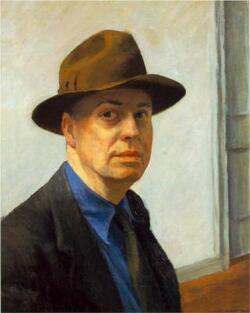
Edward Hopper: Master of Solitude and Light

1/27/2024

1 Comment

 
Picture
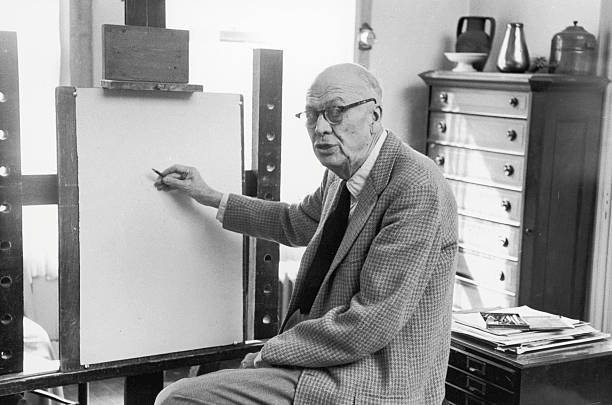
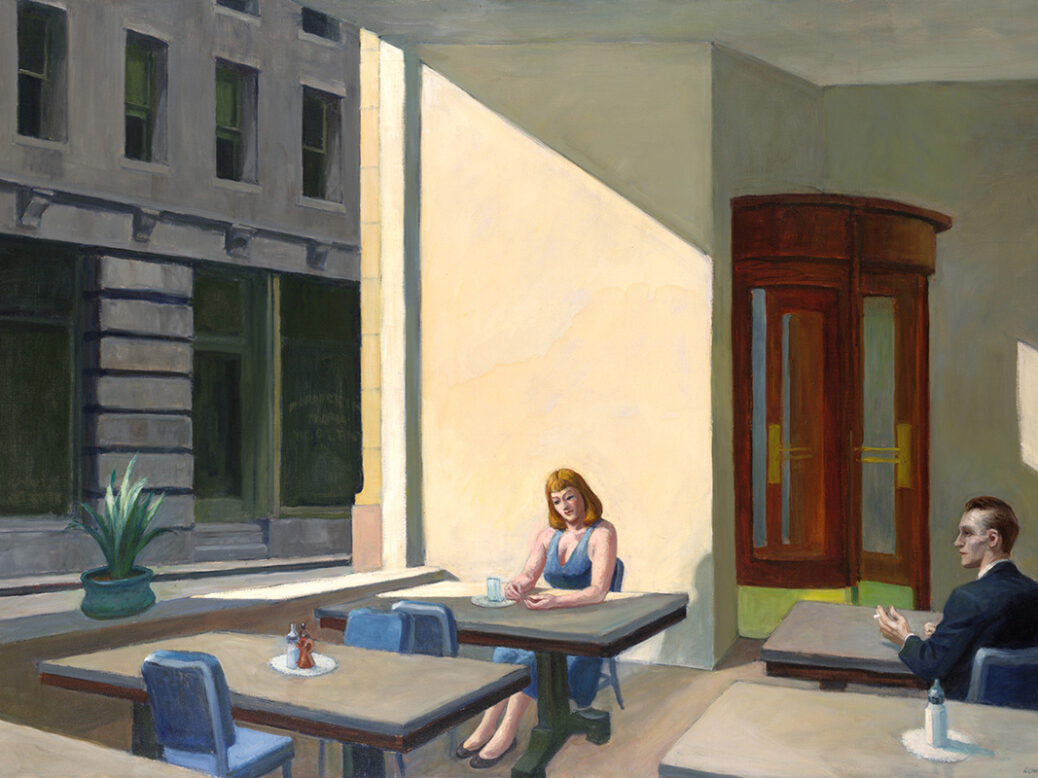
Edward Hopper, a luminary of 20th-century American art, left an indelible mark with his evocative paintings that captured the isolation and contemplation inherent in modern life. In this exploration, we delve into the influences that shaped Hopper's distinctive style and unravel the mysteries of the paints he used to bring his contemplative scenes to life.

Edward Hopper biography
Picture
Edward Hopper's artistic journey began in the vibrant atmosphere of the New York School of Art, where he honed his skills under the guidance of influential teachers such as Robert Henri. His early experiences and education laid the foundation for the unique artistic sensibilities that would later characterize his work. Delving into this formative period allows us to understand the seeds that would grow into Hopper's masterful depictions of solitude and light.

The Intersection of Light and Solitude

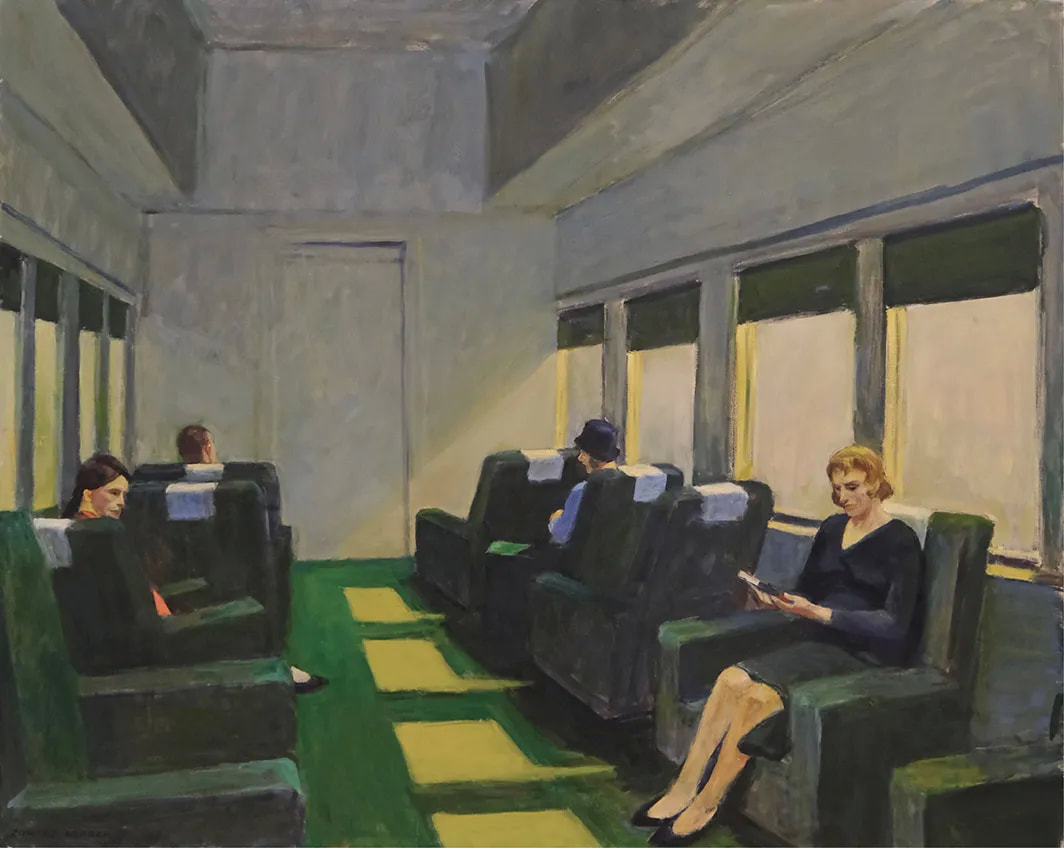
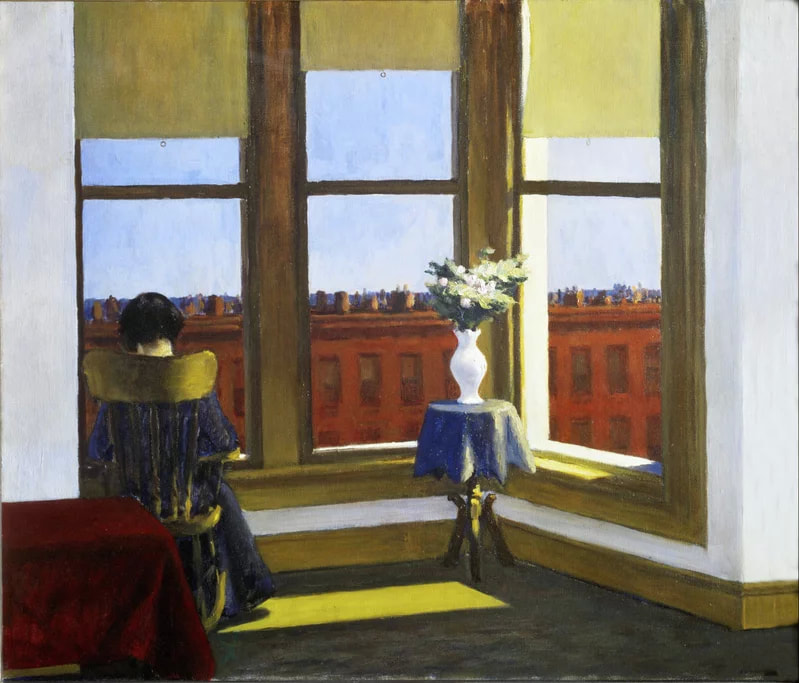
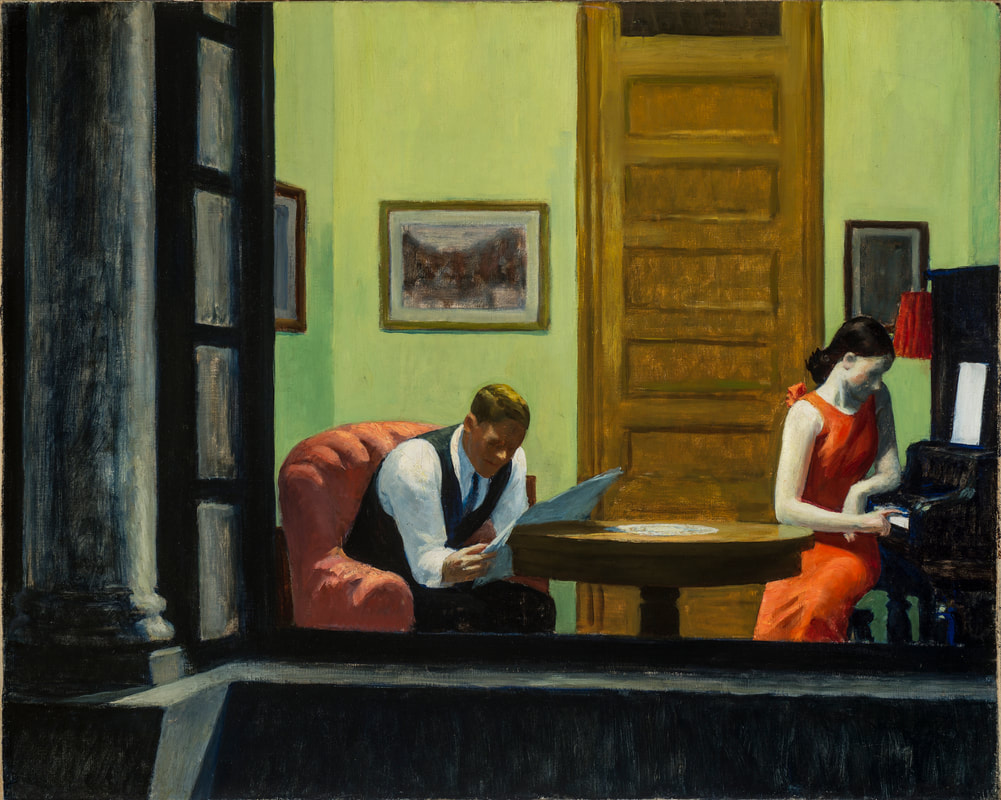
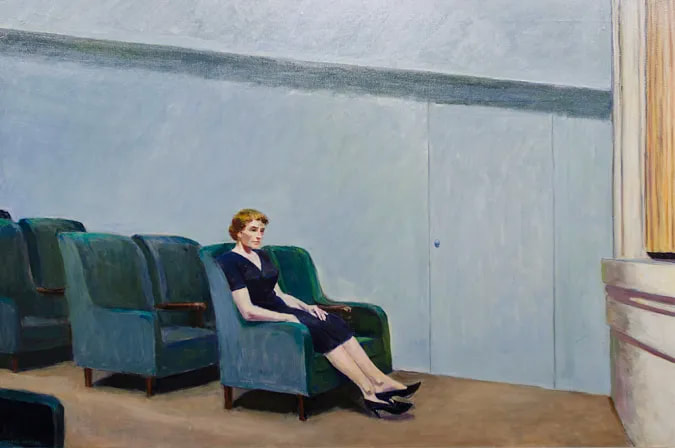
Hopper's fascination with light goes beyond mere illumination; it becomes a crucial element in defining the mood of his paintings. In this section, we explore how Hopper skillfully wielded light to create atmospheric effects that evoke contemplation and introspection. The recurring theme of solitude in his work adds a poignant depth, inviting viewers to reflect on the human experience within the vastness of modernity.

A Glimpse into Hopper's Studio

Picture
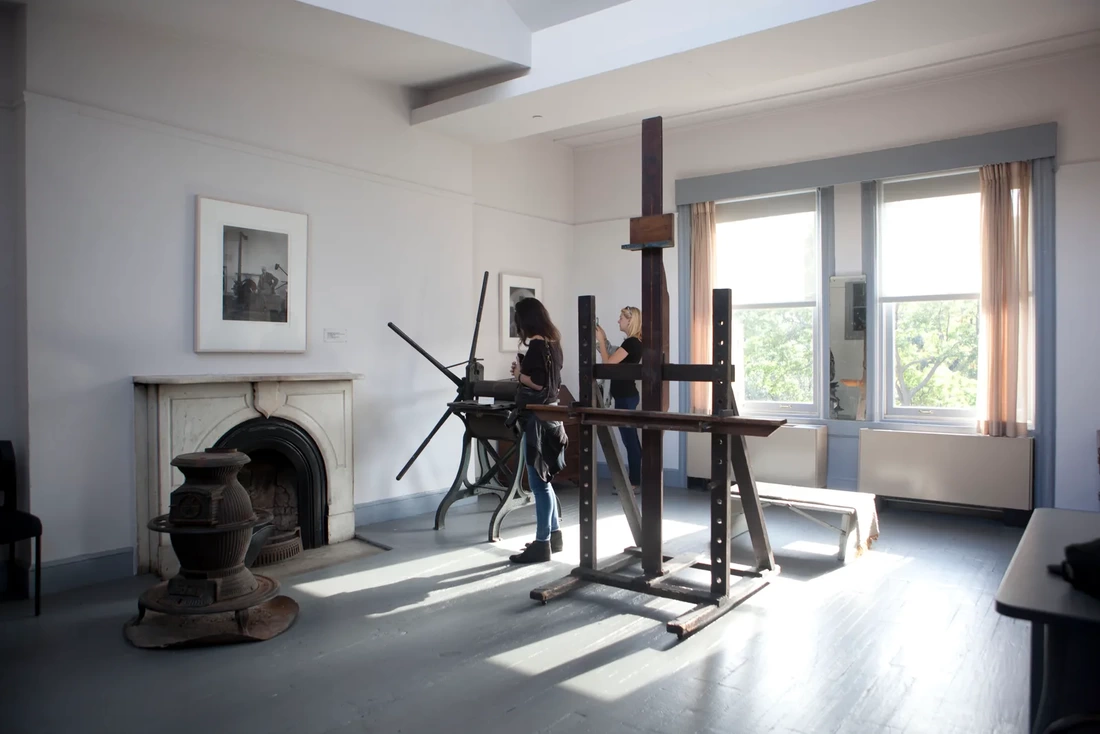
To understand the artist behind the canvas, we peer into Hopper's studio practices and the tools of his trade. Examining his meticulous approach to composition and lighting provides insights into his creative process. The studio, as a sacred space, becomes a testament to Hopper's commitment to capturing the essence of solitude and light in each carefully crafted painting.
Hopper's studio, located at 3 Washington Square North, played a significant role in shaping his artistic vision and served as a sanctuary where he created many of his iconic works.
Location and Setting:
  • Address: 3 Washington Square North, Greenwich Village, New York City.
  • Atmosphere: Greenwich Village, known for its bohemian and artistic vibe, provided Hopper with an inspiring environment that influenced his artistry.
  • Historic Context: Hopper's studio was situated in a neighborhood that housed many artists, writers, and intellectuals during the early to mid-20th century, contributing to its vibrant cultural scene.
Significance:
  • Creative Sanctuary: Hopper's studio served as a private retreat where he could immerse himself in his work away from distractions.
  • Inspiration: The atmosphere of Greenwich Village and the studio's proximity to various urban landscapes provided Hopper with endless inspiration for his paintings, which often depicted scenes of urban life and solitude.
  • Work Environment: The studio's layout and lighting were carefully designed to facilitate Hopper's creative process, with large windows allowing ample natural light to illuminate his canvases.
Influence on Hopper's Art:
  • Urban Landscapes: Hopper's observations of the cityscape from his studio windows inspired many of his paintings, which often depicted quiet, introspective moments amidst the hustle and bustle of urban life.
  • Interiors and Light: The play of light and shadow within the studio space influenced Hopper's masterful use of light in his paintings, creating evocative atmospheres and conveying psychological depth.
  • Isolation and Alienation: The solitude of the studio environment mirrored the themes of isolation and alienation present in much of Hopper's work, reflecting the complex emotions of modern life.
Legacy:
  • Artistic Heritage: Hopper's studio in Greenwich Village remains an important site of artistic heritage, attracting visitors and scholars interested in exploring the life and work of this influential American artist.
  • Preservation Efforts: Efforts have been made to preserve and commemorate Hopper's studio as a cultural landmark, ensuring that future generations can appreciate its significance in the history of American art.
Edward Hopper's studio in Greenwich Village stands as a testament to the transformative power of creative spaces and the profound influence of urban environments on artistic expression. Through his paintings, Hopper captured the essence of modern American life, leaving behind a legacy that continues to inspire and resonate with audiences around the world.
Picture
Picture

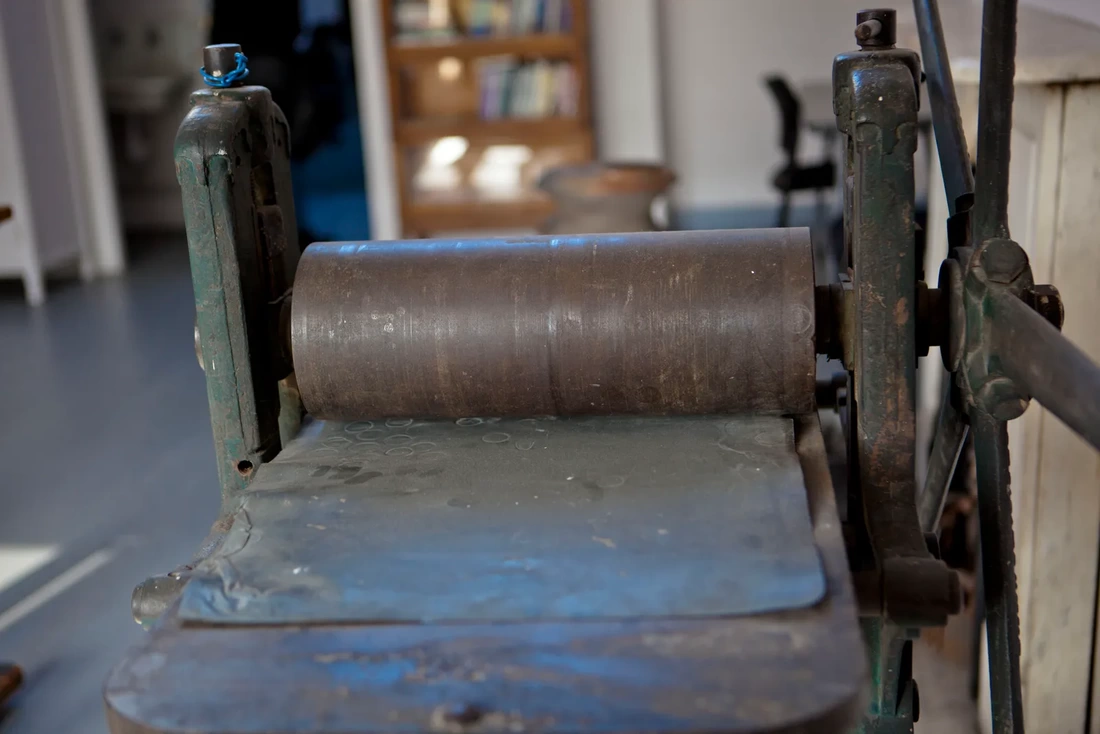
Hopper's manual printing press.  © Odette Veneziano

Hopper's main workspace, flooded with natural light.  Photo: Odette Veneziano / Courtesy of NYU


​British Realism and Urban Melancholy

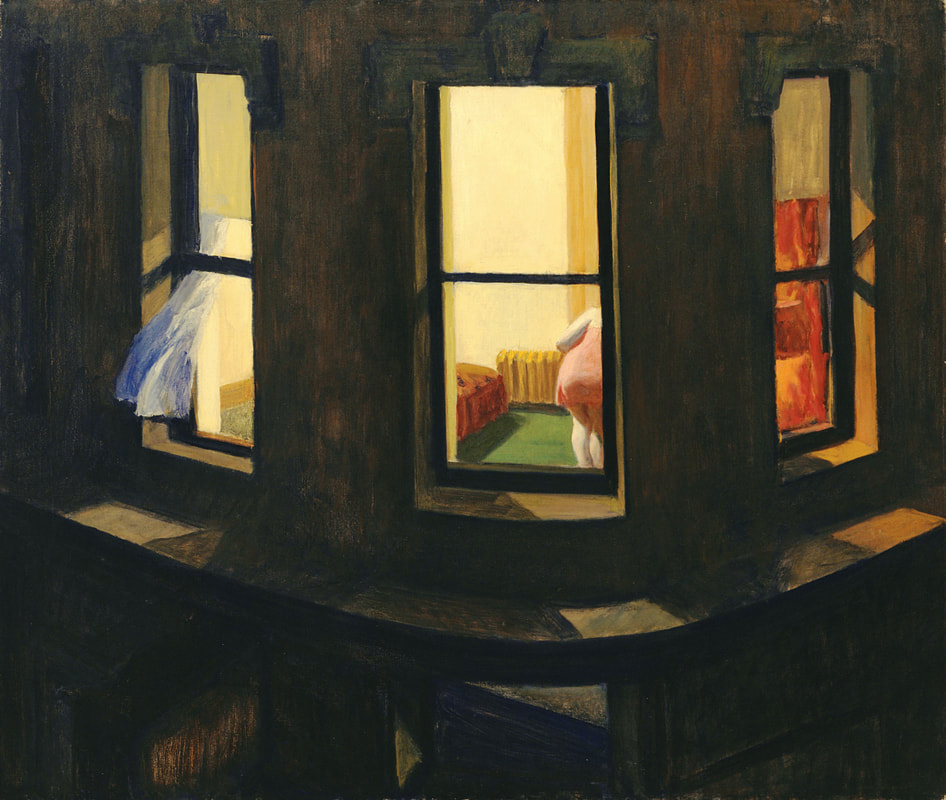
Hopper's connection to the British Realist movement significantly influenced his choice of subject matter. Exploring urban landscapes and the melancholic undertones in many of his iconic paintings, we unravel the threads that connect Hopper to the broader art historical context. His ability to infuse a sense of isolation and quiet despair into scenes of everyday life sets him apart as a master observer of the human condition.

Influences Beyond Canvas: Film Noir and Literature

Hopper's art transcends the boundaries of painting as he draws inspiration from other art forms. We examine how the cinematography of film noir and the written works of literary figures such as Edgar Allan Poe and Sherwood Anderson influenced Hopper's visual narratives. These cross-disciplinary influences deepen our appreciation of the complexity embedded in his canvases.

​The Palette of Edward Hopper: The Colours of Isolation

A closer look at Hopper's palette reveals the deliberate choices he made to achieve his signature atmospheric effects. From subdued colours to stark contrasts, Hopper's use of the painter's tools is a masterclass in conveying mood and emotion. This section explores the technical aspects of his artistry, offering insights into the alchemy that transforms pigments into the evocative scenes that define his oeuvre.

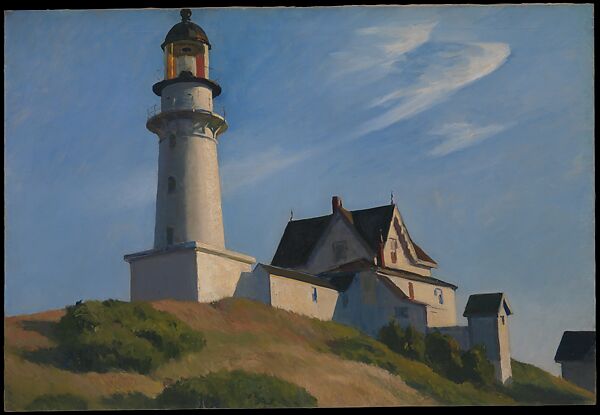
Iconic Works: Nighthawks and Beyond

Picture
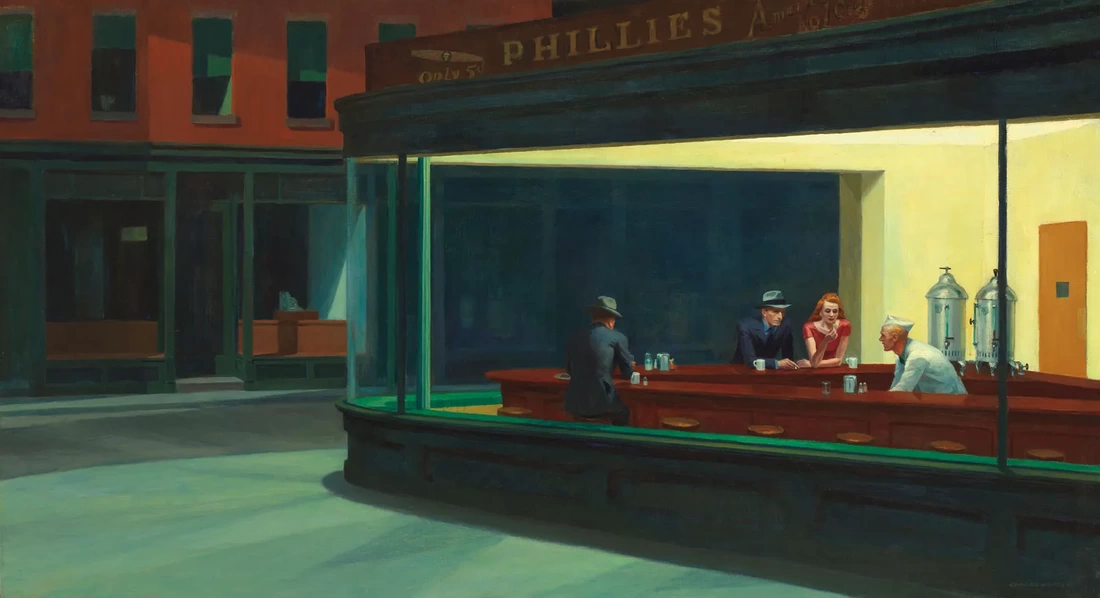
Nighthawks" is one of Edward Hopper's most famous paintings, completed in 1942. It depicts a late-night scene at a diner with three customers and a waiter behind the counter. The diner is brightly lit, contrasting with the dark exterior and the deserted streets outside. The customers, along with the waiter, appear isolated and lost in their thoughts, creating a sense of loneliness and alienation.
The painting has been interpreted in various ways, and its meaning is often open to interpretation. Some key interpretations and themes associated with "Nighthawks" include:
  1. Urban Alienation: The painting captures the mood of urban isolation and disconnection prevalent in modern city life. The customers seem lost in their own thoughts, suggesting a sense of loneliness and anonymity in the bustling city.
  2. Existential Isolation: "Nighthawks" reflects existential themes of alienation and the human condition. The characters appear trapped in their own existential angst, unable to connect with each other despite their physical proximity.
  3. American Melancholy: The painting has been seen as a reflection of the American psyche during the Great Depression and World War II era. The empty streets and somber atmosphere convey a sense of melancholy and uncertainty characteristic of the time.
  4. Ambiguity and Mystery: Hopper's use of light and shadow, along with the lack of narrative context, adds to the painting's sense of ambiguity and mystery. Viewers are left to speculate about the characters' backstories and the reasons behind their nocturnal visit to the diner.
  5. Cinematic Influence: Hopper's compositions often drew inspiration from cinematic techniques, and "Nighthawks" has been compared to film noir for its dramatic lighting and sense of atmosphere. The painting evokes the mood of a scene from a film, inviting viewers to imagine their own narrative interpretations.
Overall, "Nighthawks" is celebrated for its evocative depiction of urban life and its ability to capture universal themes of isolation, longing, and the human condition. It remains one of Edward Hopper's most iconic and enduring works, continuing to fascinate and inspire viewers around the world.
Edward Hopper's art invites us into a world of introspection, where solitude and light converge to create timeless scenes that continue to captivate and provoke thought. Through an exploration of his influences and the unique palette he wielded, we gain a deeper understanding of the artist behind the canvas. As we immerse ourselves in the enigmatic narratives of Hopper's paintings, we celebrate the enduring legacy of a masterful artist.
Picture
1 Comment
Servidor VPS Brasil link
3/17/2025 11:31:44 am

Reliable and high-performance VPS hosting in Brazil, ensuring speed, security, and scalability.

Reply


Leave a Reply.

    Author

    Gordon Bruce 

    Archives

    May 2024
    March 2024
    February 2024
    January 2024

    Categories

    All
    Canaletto
    Caravaggio
    Edward Hopper
    Frida Kahlo
    Grandma Moses
    John William Waterhouse
    Joseph Farquharson
    Louise Rayner
    Lowry
    Michelangelo
    Pieter De Hooch
    Predecessors Who Shaped Leonardo Da Vinci's Genius
    Renoir
    Salvador Dali
    RSS Feed

Support

CONTACT ME

© COPYRIGHT 2024. ALL RIGHTS RESERVED.
  • Home page
  • CONTACT ME
  • Cow paintings
  • Scottish Landscape paintings
  • Latest and upcoming paintings
  • Mary Poppins inspired paintings
  • folk art landscape paintings
  • Blog - Brushstrokes of History: Tales from the Lives of Master Artists
  • The Sound of Music Collection
  • Paintings of Venice
  • LINKS
    • Charles Dickens inspired art and gifts
    • Original paintings of London
    • How to paint like Bob Ross
    • PopUp painting
    • Second star to the right a Peter Pan inspired painting
    • Van Gogh and the Starry Night painting
    • Van Gogh: A Starry Night and Beyond
  • Seasonal paintings
  • Welcome to the Gallery of the Masters - Vermeer
  • Beautiful Seascapes On Canvas
  • Cityscape Paintings in Oil
  • Handcrafted Oil Portraits and Scenic Art